Get Full Government Meeting Transcripts, Videos, & Alerts Forever!
Get email alerts on the Environment Regulation topic
No spam. Unsubscribe anytime.
Board grants one-year exemption for Shenandoah County schools from state polystyrene ban
Summary
Shenandoah County supervisors approved a one-year local exemption allowing county schools to continue using expanded-polystyrene food containers while they transition to alternatives; the board cited cost and inventory concerns after hearing an estimate that conversion could cost up to $20,000 per school per year.
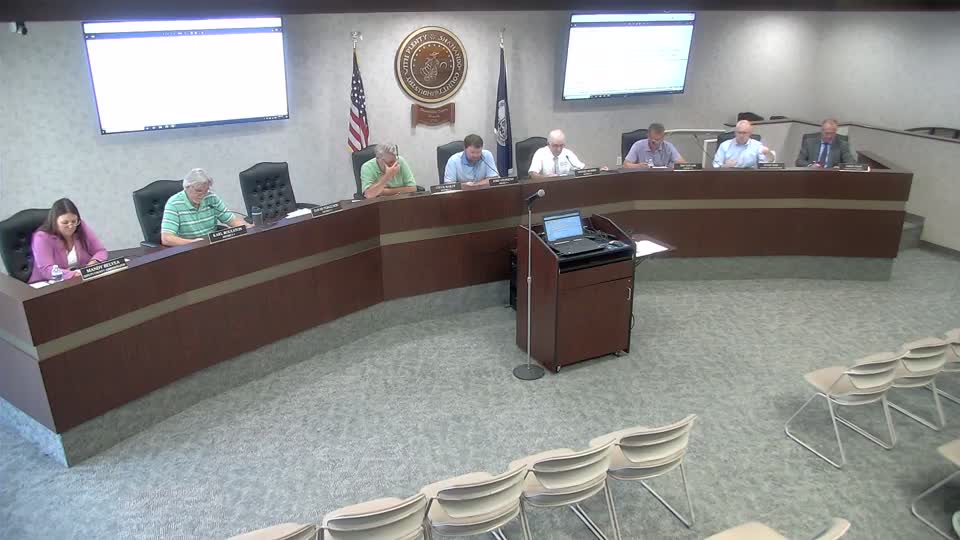
Shenandoah County supervisors voted Aug. 12 to grant the county school system a one-year local exemption from Virginia's expanded-polystyrene food-service ban.
The board approved the exemption after Speaker 6 explained that the Virginia Department of Education, citing attorney general guidance, interprets the statute's "20 or more locations" threshold to include school systems. Speaker 6 said the schools are transitioning away from polystyrene but that immediate compliance could create a financial hardship because of existing inventory and conversion costs.
"They do estimate that if they were forced to go through an entire abandonment of them, that they would have a cost up to $20,000 per school per year," Speaker 6 said during the discussion. The board debated the precedent of local exemptions and whether to extend exemptions beyond one year.
Speaker 2 moved for a one-year exemption for the school system; the motion was seconded and approved by roll-call vote. Board members emphasized that the exemption is intended to allow schools to use existing inventory while pursuing longer-term alternatives and to await clearer state guidance.
The board did not adopt formal financial offsets at the meeting; Speaker 6 noted the locality can grant exemptions when there are "no reasonable alternatives" and significant financial hardship. The motion passed with affirmative roll-call votes from attending members.
Next steps identified by supervisors include monitoring state clarification on compliance dates and following up at future meetings if longer relief is sought.