Get Full Government Meeting Transcripts, Videos, & Alerts Forever!
Get email alerts on the Setback Encroachment topic
No spam. Unsubscribe anytime.
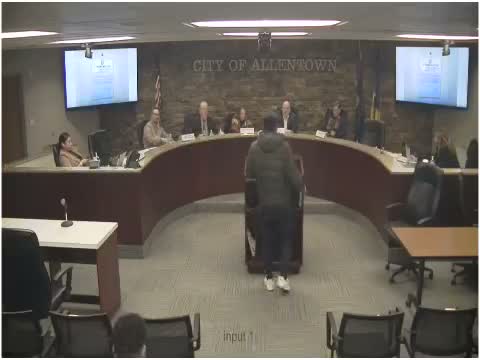
Allentown zoning board denies request to legalize 17-inch side-yard addition, citing material impact on neighbor access
Summary
The Allentown City Zoning Hearing Board denied an application to legalize a 17-inch encroaching side-yard addition, finding the increased nonconformity materially impacts the adjacent property and ordering a written decision to follow.
The Allentown City Zoning Hearing Board denied an application seeking retroactive approval for a small side-yard addition that encroaches 17 inches into the required side-yard setback, voting to require the applicant to bring the structure into compliance.
Applicant Simon Alsaktiti told the board he bought the house in 2012 and built a narrow addition in 2014 to increase sunlight. He said permits were not obtained for that work. An adjacent neighbor, Ghada Asaf, testified (through an interpreter) that the reduction in the side-yard setback impedes maintenance and emergency access and could depress her property value; she asked the board to order removal or reduction of the addition.
The zoning officer confirmed the structure is nonconforming with respect to lot area and yard requirements, and that the new work increased the nonconformity, which typically requires board approval. Board members discussed whether the 17-inch encroachment was de minimis or a material negative impact. Several members cited concerns about maintenance access and safety given that the city requires a four-foot side-yard setback in this context.
After deliberation Board Member (speaker 10) moved to deny the application and Board Member (speaker 11) seconded the motion. The board voted to deny the request and informed the applicant that a written decision will be issued within the statutorily required timeframe; the chair also noted appeal opportunities and recommended the applicant consult legal counsel if pursuing an appeal.
The board clarified that the zoning hearing considers the advertised case before it and that reciprocal or separate complaints about other nearby properties must be filed separately. The written decision will explain the board’s factual findings and any timeline for remedial action.