Get Full Government Meeting Transcripts, Videos, & Alerts Forever!
Get email alerts on the Housing Vs Conservation topic
No spam. Unsubscribe anytime.
ESAP member says successful open-space preservation can constrain affordable housing; members debate roles
Summary
An ESAP board member who also serves on the county housing commission argued that extensive open-space preservation reduces sites for workforce housing and suggested preserving 'donut holes' to insulate housing; members discussed whether a different county effort should secure land for affordable housing.
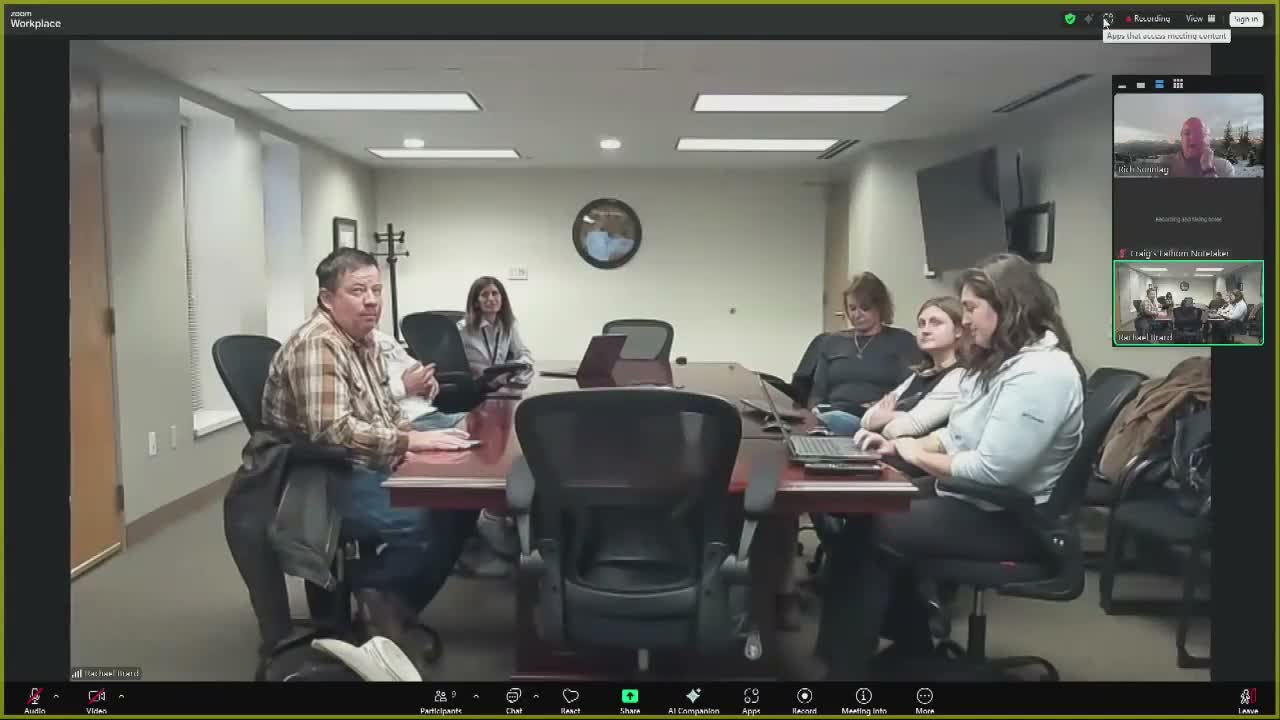
At the Eastern Summit County Agriculture Preservation and Open Lands Advisory Committee meeting, Rich Sontag — who said he also serves on the county housing commission — raised a policy concern that successful open-space preservation can limit locations for workforce and affordable housing. "One of the problems in Summit County and the reason there is no place to put workforce or affordable housing is that they've done such a good job of preserving open space," Sontag said.
Sontag proposed the idea of leaving "donut holes" or less-protected parcels within or adjacent to conservation blocks that could be used for workforce housing, insulating such development from existing neighborhoods with surrounding open space. Other members acknowledged the idea but suggested it may be beyond ESAP's charge. Tom Smart, Oakley city councilor and ESAP member, and others said securing land for affordable housing might be a countywide task better handled by the Housing Commission or a separate county group.
No formal motion on that topic was made; members asked staff to continue collaborating with county housing staff and other boards to explore options.