
Speakers at CASLA conference warn amnesty could mean impunity; institute cites new torture allegations
Get AI-powered insights, summaries, and transcripts
Subscribe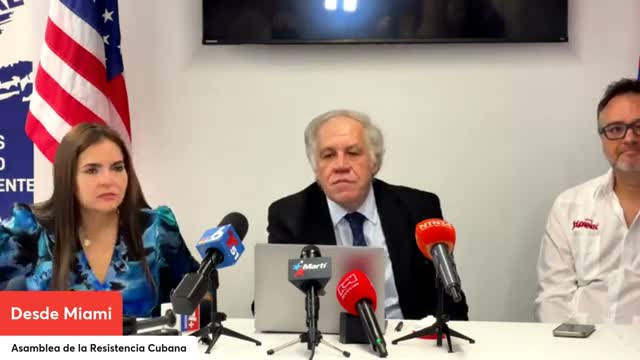
Summary
Journalists at CASLA's press conference pressed panelists about a proposed amnesty for political prisoners in Venezuela and documentation of severe torture reported from Rodeo I; panelists warned amnesty risks and said the ICC investigation continues with witness protection work.
Journalists at a CASLA Institute press conference asked whether proposed amnesties for political prisoners in Venezuela would prevent accountability. Elizondo Martín (NTN24) asked whether a law promoted by "the Rodríguez" would let regime members avoid justice. Luis Almagro replied bluntly that amnesty laws can "pretend to guarantee impunity" for those responsible for crimes against humanity.
"It is unthinkable to have impunity for the regime," Almagro said, adding that truth, justice and non‑repetition are essential components of any legitimate transition. He warned that delaying or watering down accountability risks leaving a "semi‑democracy" in place.
Panelists also described CASLA documentation of severe abuses. A presenter said investigators have recorded an alleged torture method described as "entubamiento" at Rodeo I prison — the panel called the accounts "cruel" and said such evidence has been added to records shared with international prosecutors.
The speakers described the ICC process as a penal investigation focused on establishing chains of command and witness identification; they said the ICC reopened aspects of its probe in May 2023 and that the prosecution has resisted multiple attempts to paralyze the inquiry. Panelists said there may already be ICC measures not publicly known and emphasized the logistical work of securing victims and witnesses for potential trials.
Speakers quoted numbers about displacement and victimization during the discussion; the figures presented in the session were inconsistent (transcript references ranged from thousands to millions) and were reported by panelists as contextual estimates rather than as verified totals.
The press conference produced no legal actions or formal endorsements; panelists said CASLA will continue evidence collection and may pursue domestic complaints and other legal avenues to support accountability.