Get Full Government Meeting Transcripts, Videos, & Alerts Forever!
Get email alerts on the Human Trafficking topic
No spam. Unsubscribe anytime.
Arvin City proclaims January 2026 Human Trafficking Awareness Month; coalition urges regular training and outreach
Summary
At its Jan. 13 meeting, the Arvin City Council proclaimed January 2026 Human Trafficking Prevention Month. Kern Coalition Against Human Trafficking and Tejon Indian Tribe leaders described local risks, announced a Jan. 27 film and panel, and recommended regular trainings for staff, parents and the public.
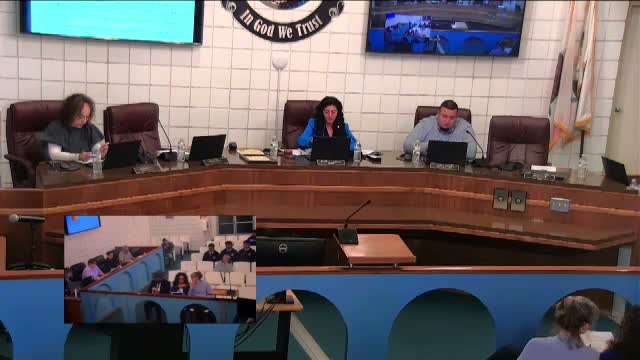
The Arvin City Council on Jan. 13 adopted a proclamation declaring January 2026 Human Trafficking Prevention Month and designated Jan. 13 as Human Trafficking Awareness Day after a presentation from the Kern Coalition Against Human Trafficking and tribal advocates.
Dustin Contreras, co‑director of the coalition, said he volunteers in that role while serving as a law‑enforcement officer, and stressed the role of community trust in encouraging survivors to come forward. “When trust exists between law enforcement and the community, victims come forward sooner,” he said. Contreras described local law‑enforcement investments — including body‑worn cameras, expanded training and dispatch improvements — as tools that support accountability and response.
June Nature, vice chairwoman of the Tejon Indian Tribe and program director of the tribe’s Community Advocacy Program, said trafficking and the missing‑and‑murdered indigenous peoples crisis are linked by invisibility. “Trafficking and MMIP intersect because both depend on invisibility, on people not being seen, not being believed, or not being reported missing quickly enough,” she said, urging coordinated, trauma‑informed, culturally responsive support for survivors.
The proclamation text cited national and state figures, saying an estimated 27,000,000 people are subjected to trafficking globally and that, according to the California Department of Justice, about 72% of trafficking victims in California are U.S. citizens or have legal status. Coalition leaders said the Kern group began in 2012 and includes subject‑matter experts on labor and sex trafficking.
Coalition members announced a free short film and panel focused on labor trafficking to be held Jan. 27 at 6 p.m. at the Fox Theater in Bakersfield and recommended ongoing training for city staff, parents and residents. The presenters proposed a “Human Trafficking 101” as a baseline training and suggested annual or semiannual refreshers to keep pace with evolving recruitment and exploitation tactics. A coalition speaker identified in the transcript as Dr. Angela offered parent‑focused training and said she would prioritize translated sessions for Arvin families; she also cited an assertion that “there are 750,000 predators online at any moment” to emphasize online risks for children.
Mayor Calderon asked city staff, including City Clerk Cecilia Vela, to coordinate with the coalition on flyers and scheduling so the city can help publicize the Jan. 27 event and explore workshops or town halls. The proclamation also directs residents to the national human trafficking hotline at (888) 373‑7888 and to humantraffickinghotline.org for resources.
The council did not take a formal vote on any ordinance or funding during the presentation; city staff agreed to follow up on event publicity and training logistics. The coalition said it would provide materials and speakers to support local outreach and parent education.
What happens next: City staff will work with coalition representatives to distribute event flyers and to schedule training for parents and staff, with translation services available for Spanish‑speaking residents.