House committee advances bill restricting extra local zoning rules for in‑home child care
Loading...
Summary
A House Commerce committee advanced a bill aimed at easing barriers for home‑based child care by prohibiting local governments and HOAs from imposing extra fees, parking mandates or sprinkler requirements beyond statewide licensing rules; supporters said it will expand licensed care in rural 'child care deserts.'
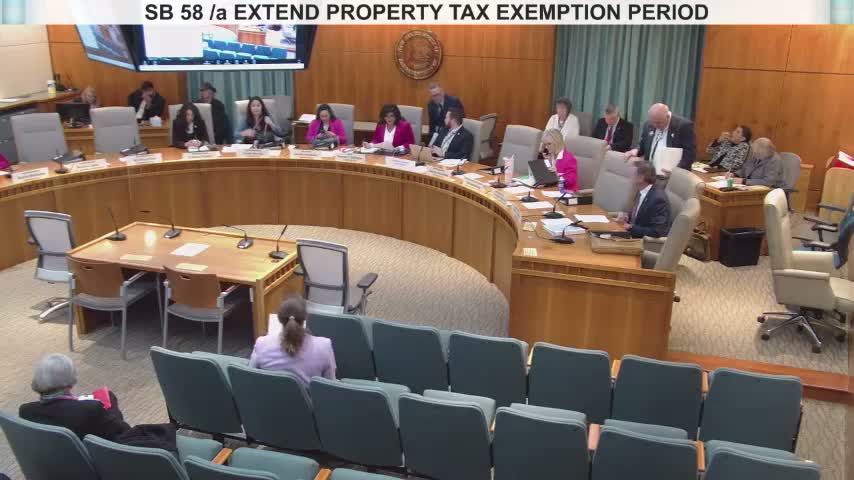
The House Commerce and Economic Development Committee voted to advance a measure intended to reduce local zoning and fee barriers that advocates say deter licensed in‑home child care providers. The committee recorded a "do pass" recommendation after debate that included public testimony for the bill.
The sponsor (unnamed in the transcript) described the Senate committee substitute for Senate Bill 96 as a response to New Mexico’s shortage of child care providers and said it clarifies that counties, municipalities and homeowners associations cannot impose additional regulations or fees on home child‑care operations beyond those applied to similar businesses in the same zone. The sponsor also said the bill removes a sprinkler requirement for homes serving more than six children that had been deterring would‑be providers.
Shelley Strong, general counsel for the Early Childhood Education and Care Department, told the committee the measure is the product of a multi‑year, multi‑stakeholder effort and would help expand child care in rural areas and child‑care deserts. "We think that this will be very helpful bringing childcare throughout the state, especially in rural areas," she said.
Supporters who testified included Gus Pedrati of the New Mexico Professional Firefighters Association, who said the association supported the bill after coordination with the state fire marshal; Isaac Amantapal of the Low Income Investment Fund, who said local land‑use uncertainty and opaque rules raise costs for providers and cited statewide economic losses tied to the childcare shortage; and representatives of construction and licensing groups who urged passage to encourage licensure and regulated care.
Barbara Tedrow, president of the New Mexico Early Childhood Association, said unnecessary local zoning barriers were unintentionally discouraging providers from seeking licensure and that a clearer path to legal operation would increase regulated supervision and safety standards.
Committee members asked technical questions about drop‑off and parking "stacking spaces," and department staff explained stacking spaces are temporary or tandem parking spots used for quick drop‑offs. After questions and brief debate over local control, the committee moved the bill forward on a roll call; the transcript records the chair announcing a final tally of 7 votes in favor and 4 against on the "do pass" motion.
The measure, as presented to the committee, seeks to preserve state licensing standards while preventing local or HOA rules from imposing additional fees or requirements that would effectively bar home‑based providers from operating legally. The committee’s action advances the bill to the next legislative stage where it will be scheduled for further consideration.
The committee concluded its business and moved to the next agenda items.