Get Full Government Meeting Transcripts, Videos, & Alerts Forever!
Get email alerts on the Governance Ice Surveillance topic
No spam. Unsubscribe anytime.
Ogden council installs chair amid heated public comment on ICE, surveillance and transparency
Summary
Rich Hyer was elected council chair and Dave Graff vice chair. A lengthy public‑comment period focused on community fears about ICE activity, license‑plate readers (Flock Safety), alleged protest surveillance and calls for a formal resolution or policy; mayor and council pledged further public work sessions and transparency steps.
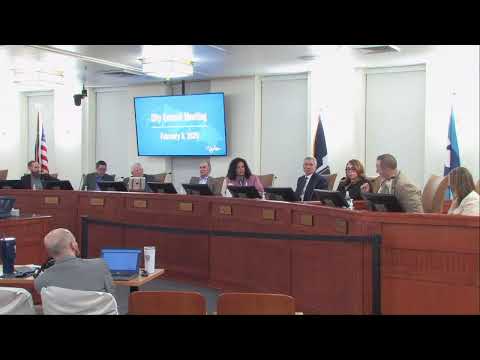
Ogden City Council elected Rich Hyer as Council Chair and Dave Graff as Vice Chair at the Feb. 3, 2026 meeting, while a crowded public‑comment period pressed the council on immigration‑enforcement cooperation and police surveillance practices.
Nominations opened for council chair; Councilmember Ritchie nominated Rich Hyer, and the council conducted a roll‑call vote. The vote recorded several yea/nay positions but the motion passed and Hyer was sworn in alongside Vice Chair Graff. After the oath, the meeting transitioned to an extended public‑comment period that became the dominant focus of the evening.
Speakers representing immigrant‑advocacy groups, neighborhood leaders and residents urged the council to codify a policy preventing local resources and personnel from facilitating federal civil immigration enforcement (commonly discussed as 287(g) arrangements). Many commenters raised concerns about automated license‑plate readers (Flock Safety), alleged access to that data by federal agencies, and the presence of surveillance during recent protests. One commenter said a community member had been detained and their phone taken after a traffic stop and asked for public reporting and due‑process protections.
Taylor Kaye and other residents accused municipal staff of intimidating residents (alleging filming by a community engagement director), an accusation the mayor and council said they would look into. Community groups asked the council to adopt an ordinance or resolution explicitly prohibiting city cooperation that would enable civil immigration enforcement without a warrant and to require transparency and reporting around any contacts between city departments and federal immigration agencies.
Mayor Nedalski responded at length. He reiterated on the record that Ogden Police Department (OPD) is not party to a 287(g) agreement and said he had met with the Weber County sheriff and OPD leadership. The mayor said the city had posted a transparency portal for the ALPR (Flock Safety) system and that staff were working to codify where the city’s policies are stricter than state guidance. He cautioned that some forms of formal resolutions could risk federal funding and said any policy work must balance legal limits, funding risk and community safety. He also described ongoing and planned programs—citizenship pathways and community outreach—intended to build trust with immigrant residents.
Councilmembers said they would pursue a deliberative public work session to draft a joint resolution or policy language informed by community input, public‑safety constraints and legal review. Several council members said they did not want “knee‑jerk” action and urged careful wording to avoid unintended consequences while acknowledging the depth of community fear.
What’s next: Councilmembers pledged follow‑up work in a public forum to craft any resolution or ordinance. Administration will continue implementing Flock Safety transparency steps and provide updates to council and the public.