Lifetime Citizen Portal Access — AI Briefings, Alerts & Unlimited Follows
Noel Bateman Service Award honors decades of civic service in Sandy City
Loading...
Summary
A recorded Sandy City program traces the Noel Bateman Service Award from its 1986 founding through profiles of past honorees and multiple residents’ reflections on the importance of local volunteerism.
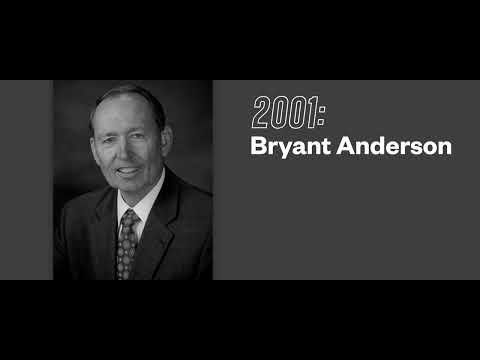
The Noel Bateman Service Award, established in 1986 and named for longtime civic leader Noel Bateman, recognizes individuals for extended service to Sandy City residents. The recorded program recounts Bateman’s more than 70 years of community involvement, including 20 years on the Sandy City Council and service as mayor, and presents biographical sketches of later honorees.
The program highlights a string of local volunteers whose work shaped Sandy’s civic life. Charles Grant Hurst is noted for council service, chairing the July Fourth committee and helping found the Sandy Arts Council. Bertha Rand is credited with helping found Jordan Valley School in 1975 to support education for children with disabilities. Other profiles include a 1990 recipient identified as Adair, Nathaniel Clark Stringham (founder of the Sandy Chamber of Commerce), Frank Munford (founding curator of the Sandy City Museum), and Tom Dolan, who served six consecutive terms as mayor.
Speakers in the recording repeatedly framed service as the foundation of community life. An unidentified speaker said, “Service is important because it builds the community,” and another speaker remarked, “I love Sandy City,” describing the locality as close-knit and encouraging residents to participate. The program pairs those general reflections with specific career and volunteer milestones, such as a person who served 31 years as chief administrative officer and Jan Van Campen’s 23 years coordinating the July Fourth parade.
The recording is largely commemorative: it does not document formal city actions, votes, or new policy decisions. Instead, it collects historical notes and personal testimonies that underscore civic continuity and the role of volunteers in parks, parades, the arts, and local institutions.
Noted names and items appear as transcribed in the recording (for example, the program references an establishment rendered as “Out of View Hospital” and a workshop cited as “Wasatch Choices 20 40 workshop”); these items are reported here as they appear in the transcript and flagged in the clarifying details below when the exact modern or official spellings were not provided in the recording.
The program closes with multiple speakers reiterating that committed local volunteers have made Sandy a place residents are proud to call home.