Get Full Government Meeting Transcripts, Videos, & Alerts Forever!
Get email alerts on the Bail Reform topic
No spam. Unsubscribe anytime.
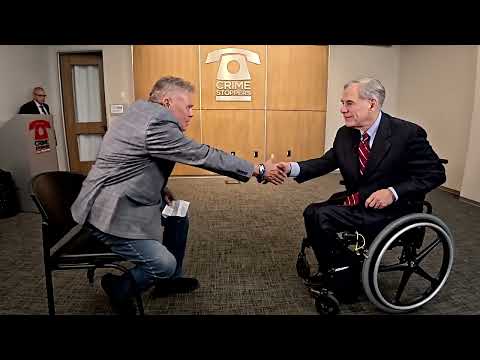
Gov. Greg Abbott signs three bills and backs constitutional amendment to tighten Texas bail rules
Summary
Governor Greg Abbott said he signed three bills overhauling Texas’ bail system and is asking voters to approve a constitutional amendment that would let judges keep dangerous defendants jailed pending trial and bar magistrates from setting PR bonds for violent felonies.
Governor Greg Abbott said he signed three bills overhauling Texas’ pretrial release rules and is asking voters to approve a constitutional amendment in November that would allow judges to keep defendants they deem dangerous behind bars pending trial. "Because people were being murdered, crazily," Abbott said when asked why the issue was a priority this session.
Abbott framed the measures as a response to what he described as a broken bail system and recent cases in which people arrested for violent crimes were released on bail and later charged with new violent acts. He said lawmakers secured votes to refer a constitutional amendment to voters and to pass "three very powerful bills that completely overhaul the broken bail system" in Texas.
The governor criticized practices in multiple counties, naming Harris, Dallas, Bexar and Travis counties, and said the laws are intended to limit what he described as the latitude of some local judges who grant releases. Abbott said the legislative changes "empower those judges who want to," enabling elected judges accountable to voters to keep defendants in custody when they present a danger to the community.
On magistrates’ authority, Abbott said the bills bar magistrates from granting personal recognizance (PR) bonds for the violent felonies identified in the constitutional amendment language. "Magistrates can cannot have any say, over the bail of them whatsoever," he said, adding that bail decisions for those cases must be made by an elected judge on the ballot and therefore accountable to the public.
Abbott and the reporter referenced reporting and victims’ testimony used to highlight the issue; Abbott said those accounts helped drive the session’s focus. When asked whether voters would approve the amendment in November, he said he expected them to do so and reiterated his view that the bills and the referral represent some of the most consequential actions legislators took this session to reduce violent crime.
The measures the governor described include the three bills he said he signed and a constitutional amendment referral that will appear on the ballot. The transcript does not list bill numbers, vote tallies, or the precise constitutional language; those specifics were not provided in the exchange. The next procedural step is the constitutional amendment appearing before voters on the ballot in the upcoming election.