Get Full Government Meeting Transcripts, Videos, & Alerts Forever!
Get email alerts on the Economic Development topic
No spam. Unsubscribe anytime.
Northern Utah Economic Alliance and Utah Inland Port outline tools to finance industrial infrastructure
Summary
Presenters from the Northern Utah Economic Alliance and the Utah Inland Port Authority briefed Morgan County commissioners on tools to attract industrial and office jobs, describing a site-selection database and tax-increment project areas (75/25 split) the port can use to finance infrastructure and incentives for greenfield and brownfield development.
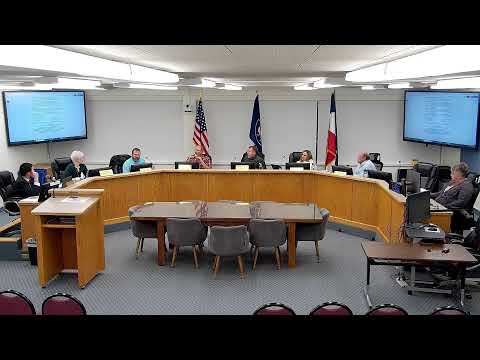
Representatives of the Northern Utah Economic Alliance and the Utah Inland Port Authority told the Morgan County Commission on Feb. 3 that the organizations can help rural counties attract industrial and office employers by identifying sites, preparing labor analyses and financing infrastructure.
Chris (Northern Utah Economic Alliance representative) said the Alliance operates as a nonprofit public–private partnership that serves primarily Davis and Weber counties and maintains a real-estate database and labor profiles that help national site selectors and local companies identify potential locations. “We create an annual labor profile,” he said, describing services that planners and developers use to evaluate potential sites.
Ben Hart’s colleague from the Utah Inland Port Authority described how a port project area is created and financed. The port’s model, he said, begins when a local legislative body adopts a resolution inviting the authority into a proposed boundary. The authority then freezes the existing tax base in the project area, captures the new tax increment generated by development, and uses most of that increment to pay for infrastructure and incentives. “Twenty-five percent of that increase of that new tax revenue will go to the existing taxing entities,” the speaker said, “and 75% of that is available to us to put towards the development and growth of this area.” He added that the port keeps a 5% administrative fee from the increment.
Speakers stressed differences from other redevelopment tools. The presenter said the port’s 75/25 split is set by statute and does not require interlocal agreements with all taxing entities, which in practice makes the port’s project areas quicker to establish than some RDAs or CRAs. He also said the statutory project life is typically 25 years and can be extended to cover outstanding debt up to 40 years.
Commissioners pressed presenters on practical questions: whether the port needs landowner consent (the port said no statutory minimum acreage nor universal landowner consent is required, though projects tend to succeed when owners and local planners are willing partners), whether brownfields qualify (yes; the authority can use funds for cleanup), and what infrastructure companies expect (large projects often partner to build water, sewer and power; smaller operations typically tie into existing systems). The port representative recommended identifying nearby parcels and master‐planning corridors to improve Morgan County’s attractiveness to employers.
The presenters offered follow-up and technical assistance, including access to the Alliance’s database and Inland Port financing tools, and said they would return to report results if the county requested further work.
Next steps: commissioners asked staff to consider an inventory of county parcels, evaluate master-plan alignment, and follow up with the presenters on potential participation in Alliance networks or project-area proposals.