Get Full Government Meeting Transcripts, Videos, & Alerts Forever!
Get email alerts on the Zoning Amendments topic
No spam. Unsubscribe anytime.
Planning commission recommends denial of proposed zoning changes to accommodate seasonal attractions and trailer storage
Summary
The Herriman Planning Commission voted to recommend that City Council deny four proposed code amendments that would have allowed semi‑trailer storage in M‑1, added fence exceptions and extended temporary seasonal operations from 10 to 35 days. Commissioners cited visual blight, enforcement and zoning‑fit concerns.
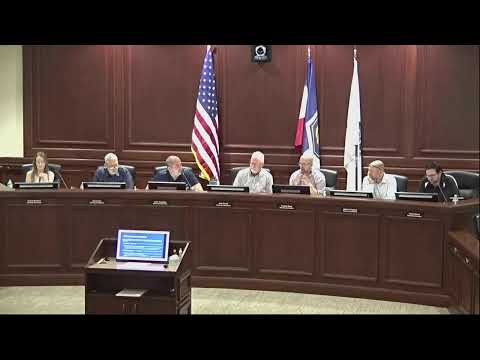
The Herriman City Planning Commission voted June 18 to recommend that the City Council deny four related zoning text amendments proposed to accommodate a seasonal attraction operation that uses semi trailers for storage and production.
Staff described the four requested amendments: (1) revise the definition of recreational‑vehicle storage to allow semi trailers in the M‑1 manufacturing zone; (2) allow an 8‑foot, vinyl‑coated chain‑link fence with privacy slats as an alternative to the required precast masonry wall in M‑1 (with standards to be developed); (3) add a visibility‑based exception so fencing could be relaxed where storage is not visible from public rights‑of‑way; and (4) extend the allowable duration for certain temporary seasonal businesses from 10 to 35 days per calendar year, with possible extensions for setup and cleanup. Staff told the commission it recommends denial to City Council for the semi‑trailer storage and the visibility‑based exception because of visual, public‑safety, access and enforcement concerns, while recommending a positive approach for the fence‑alternative amendment only if specific standards are drafted.
Applicant Zach Tillotson, representing the seasonal attraction, told the commission his operation is a portable production similar to a carnival that relies on semi trailers both for transport and as on‑site storage and production components. "We typically employ about a 100 to a 150, teenage to college age kids throughout that season," Tillotson said, describing local temporary jobs and short‑term tax revenue benefits. Tillotson asked for flexibility because his preferred site is on Herriman's south edge near Camp Williams and is relatively isolated from residences.
Commissioners repeatedly expressed concern that changing the M‑1 standard would create a slippery slope that invites more semi trailers and heavy storage uses into areas intended for lower‑profile industrial activity. Commissioner Adam said the issue should be addressed by allowing appropriate storage in an M‑2 or by creating a temporary‑use permitting process rather than wholesale M‑1 changes. "I think it's a slippery slope when we start calling RVs and tractor trailers, similar," he said. Several commissioners agreed that temporary uses make sense in concept but argued each large temporary attraction should be reviewed on its own merits with a separate application and planned support (traffic, public‑safety review), rather than expanding the standard allowance for all M‑1 parcels.
After closing the public hearing (no public commenters registered), Commissioner Adam moved to recommend denial of all four proposed changes; Commissioner Preston seconded. The motion passed on a recorded roll call with all commissioners present voting yes.
Next steps: The commission's recommendation will be forwarded to the City Council at its next meeting (June 25, 2025). The commission suggested staff consider alternative approaches, including an M‑2 zoning solution or a temporary‑use permit process tailored to different sizes and impacts of seasonal events.