Get Full Government Meeting Transcripts, Videos, & Alerts Forever!
Get email alerts on the Transportation topic
No spam. Unsubscribe anytime.
Herriman, UDOT plan Herriman Boulevard extension to serve new commercial corridor
Summary
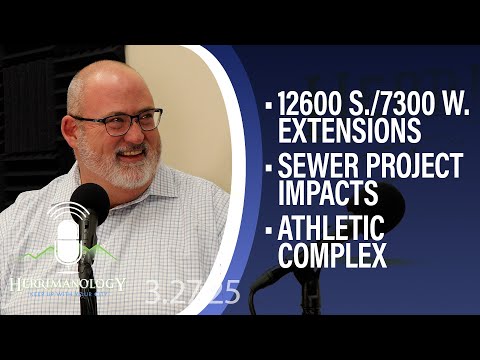
Councilmember Steve Shields and communications manager John LaFollette described a UDOT-led project to extend Herriman Boulevard (126 South) to intersect with U‑111, creating a new corridor expected to serve western Herriman and support a large commercial development; the project is UDOT‑managed and timeline depends on state approvals.
Councilmember Steve Shields and city communications manager John LaFollette told listeners the Utah Department of Transportation plans to extend Herriman Boulevard (126 South) to meet U‑111, creating a major corridor intended to serve traffic in and out of Herriman’s west side and to support a forthcoming commercial center. "This is a major corridor that's gonna be servicing traffic in and out of the western part of the city," Shields said.
LaFollette said the project grew out of coordination with regional developers and the Olympia development and that outside funding sources have been used to advance needed road infrastructure. Shields noted related work on 7300 West and a reroute that will bring multiple approaches together at the new intersection. "Three corners of that intersection are going to be in the city of Herriman," he said, describing the layout as the backbone for future commercial tax revenue and resident access.
The pair emphasized the project is a UDOT-led effort, not a direct city project, and therefore subject to state-level approvals and analyses that can extend timelines. "It's a UDOT project as opposed to a city project," Shields said, noting the additional layers of review that can slow progress. LaFollette and Shields did not provide a construction-completion date.
The conversation framed the extension as part of a broader set of regional transportation improvements intended to reduce long-term congestion, while acknowledging near-term disruption. No formal city action on this item was reported in the podcast; Shields described it as an announced agreement and an upcoming corridor improvement originating at the state level.
The next procedural steps for local involvement will depend on UDOT schedules and any required local approvals or land‑use decisions tied to development around the intersection.