Get Full Government Meeting Transcripts, Videos, & Alerts Forever!
Get email alerts on the Municipal Finance topic
No spam. Unsubscribe anytime.
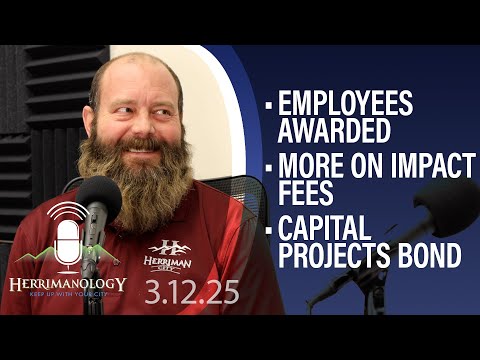
Herriman outlines $20 million bond to fund roads and capital projects; officials say residents' taxes won't increase
Summary
Herriman City leaders described plans to issue a $20 million bond to pay for road upgrades, maintenance and other capital work, including a phase of 6400 West, and explained the bond is structured against future revenue rather than as a tax increase.
Herriman City leaders said the council plans to issue a bond of about $20,000,000 to cover capital obligations including road upgrades and maintenance, and emphasized that the city does not expect the bond to raise residents' taxes.
Council Member Teddy Hodges (District 2) said the city is "bonding for future revenue" and stated plainly: "No. It's not gonna increase taxes." Hodges said the bond is intended to fill shortfalls that emerged after the city adjusted fee structures and impact fees and to allow the city to pay obligations and complete planned capital improvements.
Officials said roughly $17 million of the bond proceeds are already allocated toward specific projects, with the full $20 million providing flexibility for project costs and to avoid redoing the bond cycle if estimates change. John LaFollette, communications manager, noted one of the primary uses would be road work, including the third phase of 6400 West, which will extend north from the Hammer Boulevard area toward 11800 South; the hosts said that phase will not immediately complete all connections but is expected to progress in the next year or two.
LaFollette and Hodges explained how the financing fits with other funding tools. They described impact fees — charges developers pay to address system-wide impacts — and said those fees are collected only when development occurs and often lag actual project needs because costs rise between collection and construction. As a complementary option, they discussed public infrastructure districts, where a localized entity can bond for upfront construction and repay over time from fees or localized revenues.
The podcast recording did not include a formal council vote on issuing the bond. Officials described the proposal and next steps in planning and financing but did not state a final adoption action during the episode. City staff and elected officials said they will continue public information efforts on the bond, and residents were encouraged to direct questions to the city's communications office.