Get Full Government Meeting Transcripts, Videos, & Alerts Forever!
Get email alerts on the Equity Indicators topic
No spam. Unsubscribe anytime.
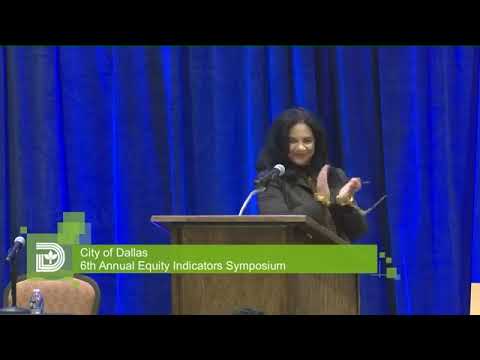
Dallas panel spotlights equity indicators, partnerships and youth programs to reduce disparities
Summary
Panelists reviewed equity indicators, community partnerships and youth workforce programs; speakers urged using data to target investments, cited more than 60 community alliances and called for sustained internships and training for young people.
Panelists at the symposium described how equity indicators, measurement and partnerships can translate into opportunities in education, health and workforce development.
Vicky Allen (identified in the program as head of the Dallas Foundation) and other panelists urged a metrics‑based approach to investment. Panelists noted partnerships across foundations, schools, nonprofit organizations and community banks and said the symposium reflects more than "sesenta alianzas" with local partners.
Antonia Roig (identified as president and leader of the All Star Project) described a national internship and youth training effort, saying the goal is sustained alliances rather than one‑time opportunities. She said the organization has worked for decades to place young people into internships and training: "en los últimos veintisiete años hemos tenido dos mil quinientas corporaciones que han proveído un internship," the transcript records.
Why it matters: attendees said measurable indicators and long‑term partnerships are necessary to close gaps in education, health and economic mobility — especially in South Dallas and other historically underserved areas.
Details and context: Panelists discussed targeting children 0–5 for early investments and using zip‑code and clinical data (Parkland partnerships) to spot disparities. Youth commissioners described community science projects such as water testing and arboretum trails as hands‑on ways to engage students while producing local data.
What comes next: Panelists asked the city and funders to align indicators with funding priorities, expand training and volunteer pipelines, and scale internship opportunities so more than 1,000 young people can access sustained workforce placements.