Get Full Government Meeting Transcripts, Videos, & Alerts Forever!
Get email alerts on the Fair Park Redevelopment topic
No spam. Unsubscribe anytime.
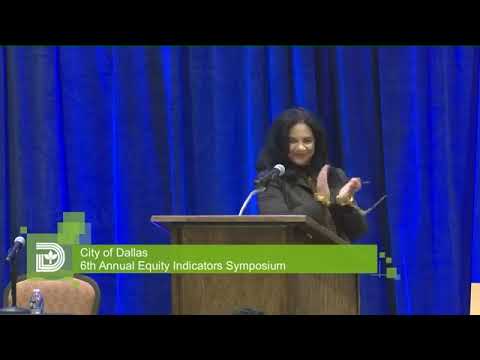
Dallas leaders outline Fair Park history, master‑plan priorities and investment goals at equity symposium
Summary
City officials and Fair Park partners reviewed Fair Park’s historical significance and described post‑2019 renovation priorities, trail and cultural‑district plans, and neighborhood outreach for equitable access to parks and recreation.
City officials and Fair Park leaders used the symposium to place Fair Park’s redevelopment in an equity frame, describing both the site’s cultural history and current master‑plan priorities.
Elizabeth Cedillo Pereira, introduced as a subadministrator for the city, and Fair Park board representatives recounted Fair Park’s historical role and said the city voted in 2019 to allow renovations of major venues including the coliseum and buildings that support tourism. Panelists told the audience they are prioritizing cultural‑district work, a Santa Fe–to‑Perry trail connection, and investments to expand park access across surrounding neighborhoods.
Speakers noted the park’s reach: panelists described 22 neighborhoods around Fair Park that require targeted outreach, and they flagged a 10‑minute walking‑access standard used to measure equity in park access. "Tenemos veintidós vecindarios," a panelist said when describing the communities the plan must serve.
Why it matters: Fair Park is both a cultural asset and a long‑standing site of inequity in access and investment. Panelists emphasized that renovation dollars and a master plan must be paired with neighborhood outreach and strategies to prevent displacement as tourism‑driven investments proceed.
Details and context: Panelists highlighted past and ongoing investments (including tourism dollars and donations referenced by panel speakers), the cultural assets within Fair Park such as the Magnolia building and the museum, and plans to create a cultural district and pedestrian connections. Organizers said the 2019 vote authorized city action to renovate historic structures and that funding streams include tourism revenues.
What comes next: City staff said they will continue community outreach and advance design and funding for trails and building renovations; speakers encouraged residents to engage in follow‑up planning sessions and to use city resources to volunteer and join implementation efforts.