Get Full Government Meeting Transcripts, Videos, & Alerts Forever!
Get email alerts on the Childcare topic
No spam. Unsubscribe anytime.
Child-care ratio bill fails in AMB Human Services committee after safety, research questions
Summary
Representative Tetford’s bill to relax child-care staff-to-child ratios—intended to improve day‑care economics and address 'childcare deserts'—failed on a 2–2 committee vote after members raised safety, research and staffing‑impact concerns.
Representative Tetford introduced House Bill 29-49 to relax staff-to-child ratios in licensed child-care settings, saying the change grew out of a 2024 interim study and was intended to improve the economic model for centers and encourage new providers. Tetford told the committee he is "open to looking at some changing some of the ratios" and moved the PCS for passage.
Committee members asked for evidence on learning and safety. Representative Williams asked whether research shows higher ratios harm learning; Tetford said he had not seen material showing daycare class-size changes materially affect learning among the youngest ages and framed the bill as an economic effort to expand availability. Representative Starke and others raised safety concerns for infants and mobile toddlers, including references to SIDS; Tetford said safety was a concern and said he might tighten the infant ratio back toward 4:1.
Committee members also sought concrete staffing numbers. When asked how the change would affect an operation licensed for 100 positions, Tetford said the effect depends on the age mix and exact licensing composition and offered a rough example that moving an infant ratio toward 5:1 could reduce staffing by "5 or 10 teachers" in an all‑infant hypothetical, but he did not have a definitive calculation without age‑specific data.
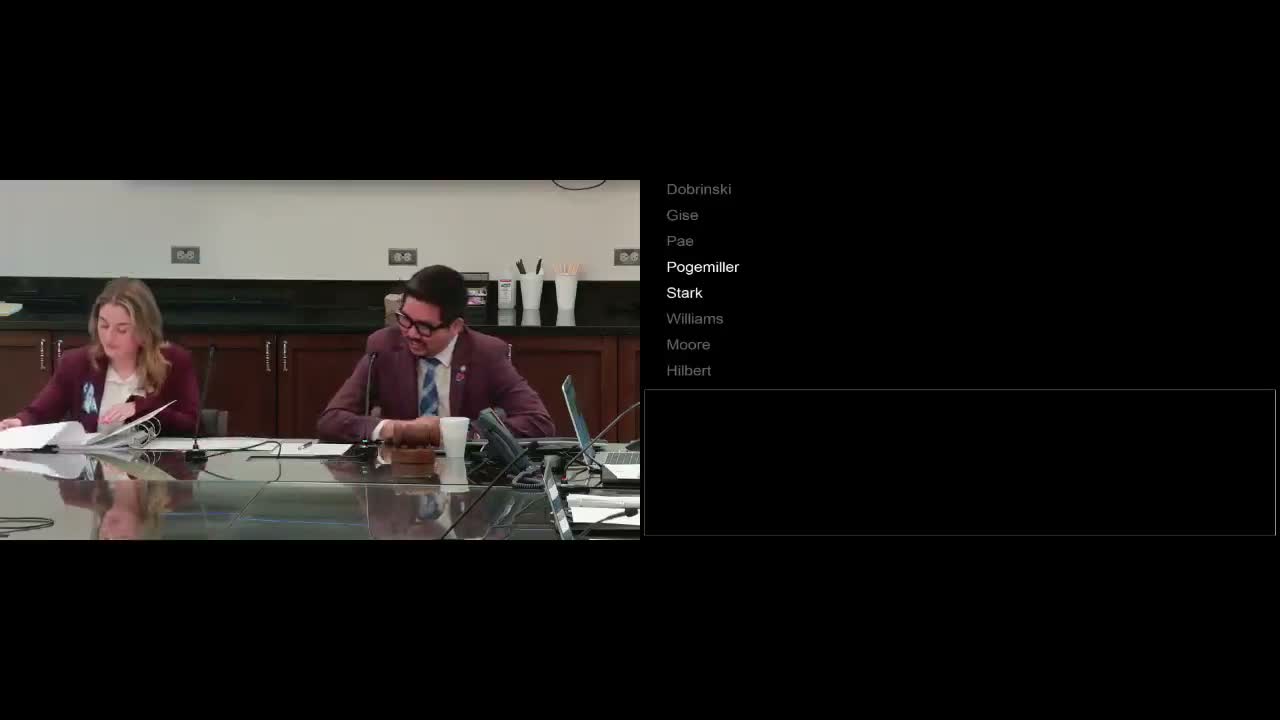
A motion to move the bill was made and seconded and the committee voted. The transcript records Chairman Pai voting aye and the vice chair voting aye; the tally was read as 2 ayes and 2 nays. The chair declared HB 29-49 not passed out of committee.
What happens next: The sponsor said he would meet with DHS and consider committee amendments to tighten infant and toddler ratios, and he asked colleagues for a vote to move the bill forward if those adjustments would make members comfortable.