
Panel backs bill to recreate Emergency Preparedness and Response Fund with tighter limits and reporting
Get AI-powered insights, summaries, and transcripts
Subscribe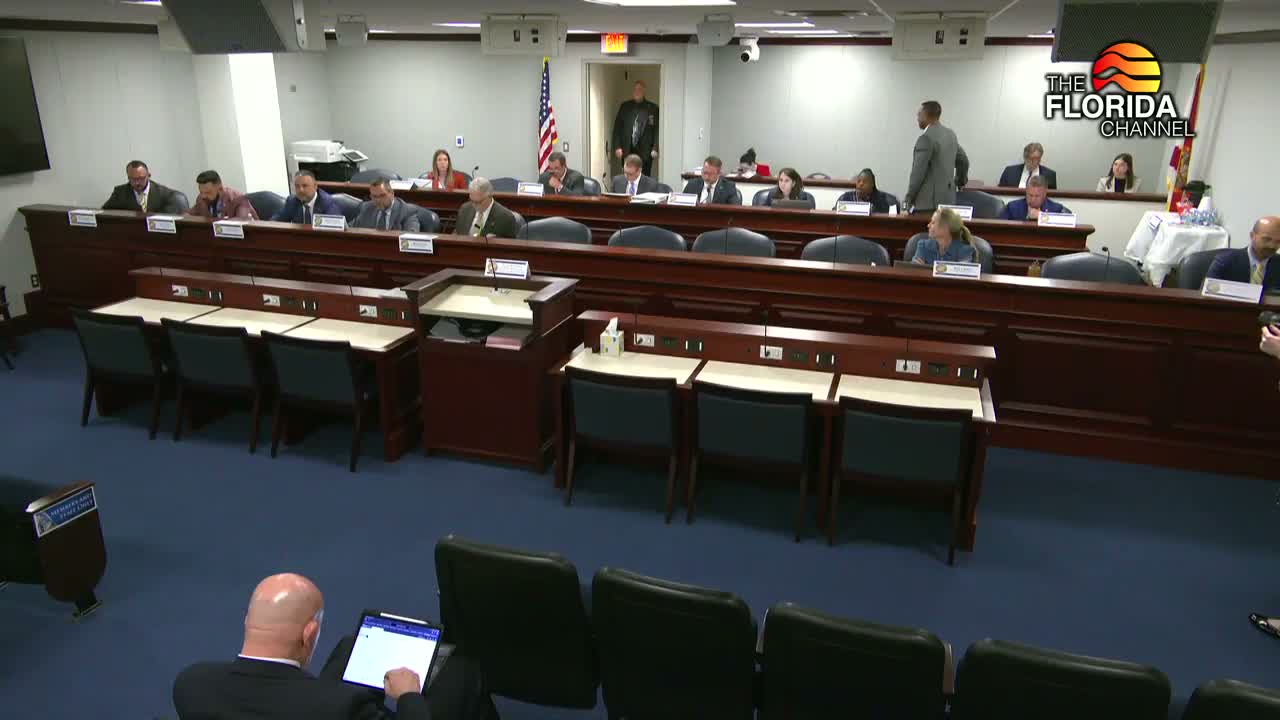
Summary
PCB 26-02 was reported favorably to recreate the Emergency Preparedness and Response Fund, limit its revenues to legislatively appropriated state funds, restrict its use to natural emergencies, require quarterly reporting and legislative consultation for renewals after 60 days, and sunset the fund on July 1, 2030 unless reenacted.
Rep. Rob Griffiths presented PCB 26-02 to recreate the Emergency Preparedness and Response Fund (EPRF), which the sponsor said is set to expire on Feb. 17, 2026. The PCB limits approved revenues in the fund to state money specifically appropriated by the Legislature, restricts the fund’s use to natural disasters, requires legislative consultation for states of emergency renewed after the first 60 days, directs federal reimbursements into general revenue rather than the EPRF, requires quarterly reporting (including cash flows, inventory and asset accounting) and a written attestation by the DEM division director, and sunsets the fund on July 1, 2030 unless reenacted.
Ranking members asked whether the fund could be used for immigration-related costs; Griffiths said the PCB restricts the money to natural disasters. Members also sought clarity on existing reporting processes; Griffiths said DEM produces reports but the PCB would make reporting more frequent and add accountability without hampering emergency response.
During debate Rep. Rick Daly said he struggled with the trust fund concept, noted a history of controversial uses, and cited what he described as past misuse—referring to projects such as "Alligator Alcatraz" and alleging money was spent in ways that benefited cronies. Daly said federal reimbursements have been slow and the arrangement had been "a total scam on the taxpayer," though he said he would vote in favor despite reservations. Supporters including Rep. Cross and other members said the PCB adds responsible checks and promotes readiness for disasters. Public commenters listed in the record included representatives of the SPLC, WAV, and the Florida Center for Fiscal and Economic Policies, who expressed support.
Rep. Griffiths closed by stressing the need for timely response and accountability; he noted that if the fund is not recreated the governor would need to call a special session to appropriate emergency funds. The committee voted to report PCB 26-02 favorably.