
City and LDS Church outline temporary downtown street closures for 2027 Temple reopening; council presses for detailed traffic and neighborhood plans
Get AI-powered insights, summaries, and transcripts
Subscribe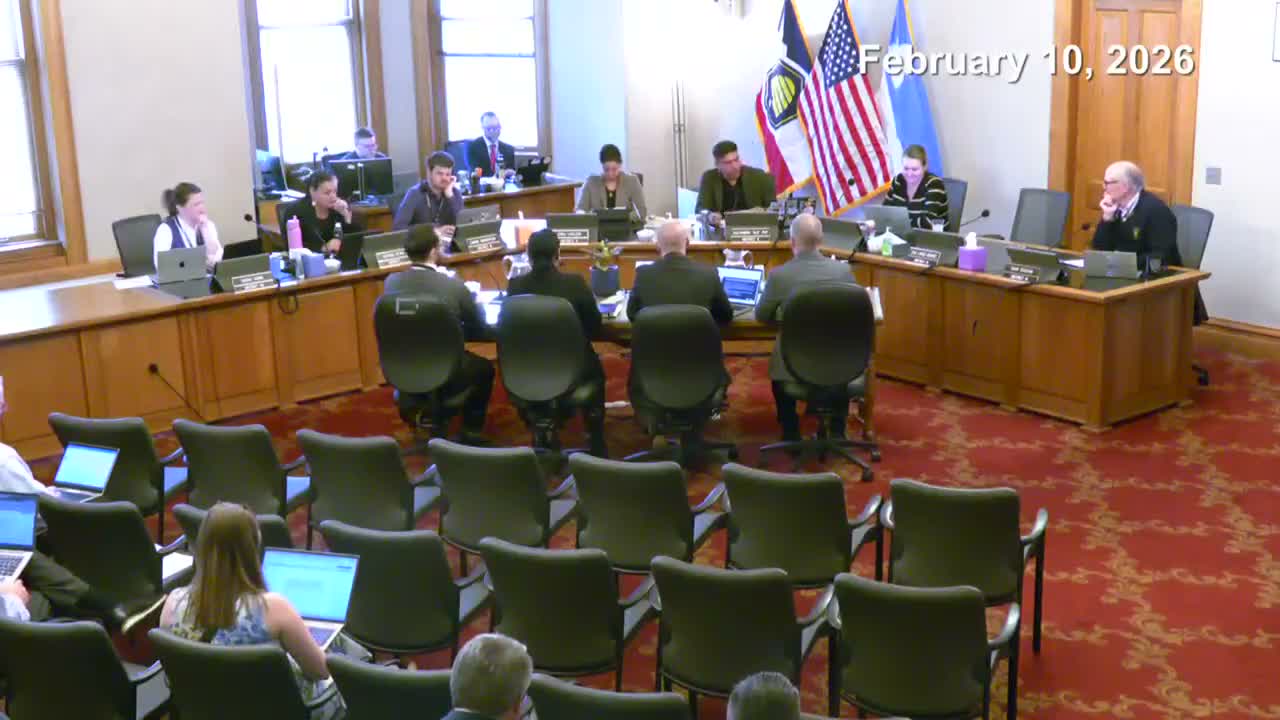
Summary
City staff and Church representatives outlined proposed fenced street closures downtown for the 2027 Salt Lake Temple reopening, estimating roughly 22,000 daily visitors and about $2.3 million in city lease/fee revenue; council members pressed staff on emergency access, transit, parking and neighborhood impacts and requested more frequent community outreach and interagency coordination.
Salt Lake City staff and representatives of The Church of Jesus Christ of Latter-day Saints told the City Council on Wednesday that they are planning temporary street closures and fenced perimeters in downtown Salt Lake for the planned 2027 reopening of the Salt Lake Temple, and that the city must adopt an ordinance and hold a public hearing to authorize non-construction closures.
"There is a state statute that requires that the city council adopt an ordinance approving any street closure for non construction purposes, and there are noticing requirements and a public hearing that must go along with that city council action," Tammy Hunsicker, the city's director of community and neighborhoods, said in the briefing, explaining the legal steps the council will consider.
Hunsicker described the proposed closures as including North Temple from Main Street to West Temple, West Temple from North Temple to South Temple and partial lane closures on segments of South Temple and North Temple bus lanes. She said closure dates would be negotiated but the approval before the council includes a maximum window from March through October 2027 to allow for setup, events and takedown. Staff said the fenced areas would be leased as right-of-way at fair market rates and that standard traffic control permits and bagged‑meter fees would also apply.
City staff estimated the closures could bring millions of visitors and said Church planners estimate about "22,029 people per day" during the run. Hunsicker said the city expects roughly $2.3 million in revenue to the general fund based on the next year's consolidated fee schedule.
Marty Stevens, director of government relations for the Church, told the council the Church plans to cover additional public-safety protection costs and implement several mitigation measures: staggered staff shifts to spread arrivals, free transit for employees and ticketed visitors, frequent shuttle service from a leased park-and-ride on North Temple, and neighborhood open houses. "We will...be leasing these roads under the standard contract; we think that the number will be north of $2,300,000 that we'll be paying the city during this period," Stevens said.
Council members pressed staff and Church representatives on multiple operational concerns. Councilmember Wharton asked how closures would affect emergency response and evacuations; Hunsicker said police and fire are part of planning and that the perimeter design is intended to allow emergency access and clearly designated detour and access routes. Council members also asked about protecting bike lanes, student travel to West High during concurrent construction, resident parking priority and potential reverse-flow impacts for shift workers and hospital staff.
Hunsicker and the city’s transportation director, Lynn Jacobs, said they are coordinating with UDOT and UTA to plan detours, re‑timed signals and transit alternatives, and that more detailed plans and FAQs will be posted ahead of the March public hearing. The council was told a public hearing on the closure ordinance is scheduled for March 10.
The discussion was part informational and part policy direction; council members urged continued outreach to affected neighborhoods, attention to equity and accessibility for residents with reduced mobility, and close coordination with state and transit agencies as planning continues. No vote was taken during the work session.