Get Full Government Meeting Transcripts, Videos, & Alerts Forever!
Get email alerts on the Government Immunity topic
No spam. Unsubscribe anytime.
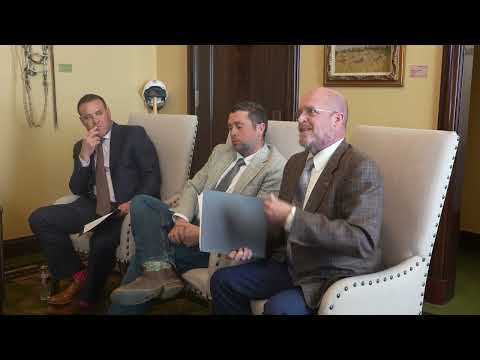
Rep. Gwynn introduces HB 79 to restore first-responder immunity after recent Supreme Court ruling
Summary
Representative Gwynn presented HB 79 to clarify government immunity for emergency responders, saying a recent Utah Supreme Court decision narrowed 40 years of precedent; the bill passed unanimously out of committee and aims to protect responders who follow agency policy while excluding gross negligence or intentional misconduct.
Representative Gwynn introduced House Bill 79 on government immunity, framing it as a legislative clarification after a recent Utah Supreme Court decision that, he said, narrowed decades of precedent involving emergency medical services and first responders. "If an emergency responder is going to a medical call because someone called 911, and they do what they're supposed to be doing, regardless of the outcome, they should be immune," Gwynn said.
Gwynn told reporters the decision disrupted long-standing understandings that protected firefighters, EMS and other first responders when they act within agency policies, state law and accepted practices. He said HB 79 would restore that scope of immunity so long as responders are not grossly negligent or engaged in intentional misconduct: "It doesn't provide immunity in those instances where there's gross negligence or intentional conduct," he said.
During questions, Gwynn acknowledged interest and opposition from trial attorneys but said the bill is not about medical malpractice insurance and is instead intended to reflect the original legislative intent from statutes enacted in 1985 and 1989. He said he had received calls from trial lawyers shortly before committee consideration. Gwynn also told reporters he expects the bill to protect recruitment and retention of first responders, arguing the decision could have a chilling effect on people willing to serve in EMS and fire roles.
Action: Gwynn said HB 79 passed unanimously out of the law-enforcement committee and will proceed through the legislative process for further consideration. The transcript does not record a full House vote tally or the names of any mover/second; committee passage was described as unanimous.
What HB 79 would do and would not do: Gwynn described the measure as a clarification of legislative intent rather than a broad expansion of immunity. According to his remarks, it would preserve immunity when an agency employee acts within the scope of duty and follows policy, statute and best practices, while preserving legal recourse for cases of gross negligence or intentional wrongdoing.
Why it matters: Supporters say the bill would protect first responders from lawsuits for routine actions taken under pressure and in rapidly evolving circumstances, which advocates argue helps recruitment and keeps costs down. Opponents represented in the question-and-answer portion—identified in the transcript as trial-lawyer interest—are concerned about limiting legal remedies for people harmed by emergency responses.
Next steps: Representative Gwynn said the bill will move through the House after committee passage. The transcript records committee passage with unanimous support but does not supply a full floor vote or final outcome.
Sources: Remarks by Representative Gwynn during a House press availability; committee passage described on the record.