Get Full Government Meeting Transcripts, Videos, & Alerts Forever!
Get email alerts on the Connected Transportation topic
No spam. Unsubscribe anytime.
"Connecting the West" pilot uses lidar and connected‑vehicle tech to target pedestrian safety and transit reliability
Summary
A presenter described the "Connecting the West" pilot deploying lidar at intersections to detect pedestrians in real time and equipping buses, fire trucks and snow plows to communicate with traffic signals across Utah, Wyoming and Colorado; a student attendee praised six‑minute bus frequency.
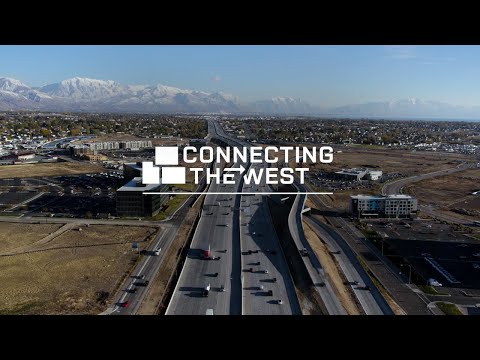
A presenter (Speaker 1) described the "Connecting the West" pilot as an effort to build a safer, smarter transportation network across Utah, Wyoming and Colorado by linking vehicles to the infrastructure they move through.
"We're using lidar at intersections to detect people in real time, and alert drivers instantly to their presence," the presenter said, adding: "Think of it like a second set of eyes, watching out for people crossing the road." The presentation said alerts would be sent the moment someone enters a crosswalk so drivers receive immediate notification.
The presenter said the program is also equipping essential vehicles — including buses, fire trucks and snow plows — with systems that communicate with traffic signals. "This helps keep transit on time, improves emergency vehicle response, and makes Utah's roadways more efficient during critical moments," the presenter said.
A student attendee (Speaker 2) offered a rider perspective, saying: "As a student, my schedule is super packed, so having a bus that comes every 6 minutes is really great. It's really nice not having to worry about driving or parking. The bus is always there when I need it." The comment was offered as experiential evidence of improved transit frequency under the project.
The presenter framed the work as active implementation rather than concept: "This future of transportation is connected, and it's happening now, right here in the West. Utah, Colorado, and Wyoming are leading the way, and we hope to see other states follow." No formal votes or policy decisions were recorded during the presentation; the session consisted of an informational briefing and public comment.
The presentation emphasized pedestrian detection through lidar and vehicle‑to‑infrastructure communications as the program's core safety and reliability strategies. Specifics such as deployment timelines, funding sources and performance metrics were not specified in the presentation.