Get Full Government Meeting Transcripts, Videos, & Alerts Forever!
Get email alerts on the Zoning Code topic
No spam. Unsubscribe anytime.
Council reviews technical zoning code changes to match state law and clarify review roles
Summary
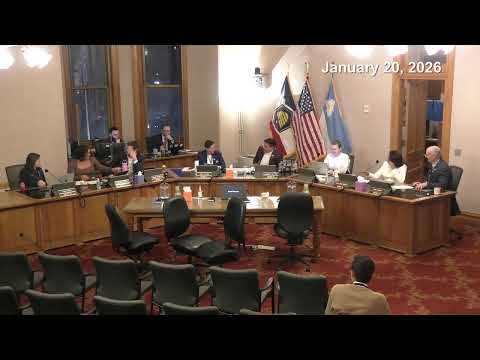
City planning staff presented technical amendments to zoning code meant to clarify who administers code, streamline zoning review and site plan processes, remove obsolete districts, and close rooftop habitable space loopholes. Council members asked clarifying questions about processes and protections for applicants.
Planning staff presented a package of zoning code text amendments requested by the planning division and initiated by the mayor’s office. The changes aim to update definitions (planning director vs. zoning administrator), modernize zoning review procedures, remove the development review team (DRT) as a codified land‑use authority, eliminate unused or obsolete districts (such as AD‑20 and the Character Conservation District), and clarify rooftop amenity rules that prevented enclosed habitable space from being created by minor roof extensions.
Nick Norris (planning director) said many provisions are technical, intended to align city code with state code and current practice — for example, removing a requirement to submit paper plans that the city no longer enforces and clarifying when a zoning certificate is required versus review through a planning commission or building permit. On rooftop use, staff clarified the amendment would allow pergolas and railings but not fully enclosed rooms above the roofline, to avoid triggering unintended additional habitable square footage and fire code implications.
Council members asked whether removing the DRT from code would reduce applicant access to coordinated city feedback; staff said the DRT process would continue as an internal coordination practice but not as a formal land‑use authority. Questions about how the changes affect administrative interpretations, nonconforming uses and amortization were addressed with references to state code compliance.
The work session discussion was technical; staff said the item would return with ordinance language for formal council consideration.