Get Full Government Meeting Transcripts, Videos, & Alerts Forever!
Get email alerts on the Meeting Procedures topic
No spam. Unsubscribe anytime.
West Valley City PSRB approves Nov. 13 minutes, adopts 2026 meeting calendar and moves into closed session
Summary
The West Valley City Professional Standards Review Board approved its Nov. 13, 2025 meeting minutes, adopted a monthly 2026 meeting schedule (Jan. 8 through Dec. 10, all starting at 8:30 a.m. in the multipurpose room) and voted to enter a closed session after noting no public commenters online.
The West Valley City Professional Standards Review Board, during its public meeting, approved the Nov. 13, 2025 meeting minutes, adopted a meeting schedule for 2026 and voted to move into a closed session.
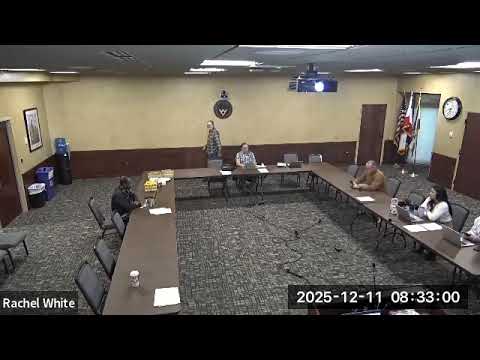
The chair opened the public portion of the meeting and announced the time as 8:31 a.m. The chair then asked attendees to state their appearances for the record; Micah Bruner, Michael Finch, Justin Trashonski and Abby Dezamond identified themselves.
The board considered its Nov. 13, 2025 minutes. An unidentified speaker moved to accept the minutes and another attendee seconded. The body conducted a voice vote; an "Aye" was called, one person indicated opposition during the vote (not named in the record), and the chair announced the motion carried.
The chair presented the proposed 2026 meeting dates: January 8; February 12; March 12; April 9; May 14; June 11; July 9; August 13; September 10; October 8; November 12; and December 10, 2026, with meetings to begin at 8:30 a.m. in the multipurpose room. An unidentified speaker moved to approve the schedule, another attendee seconded, and the board approved the calendar by voice vote; one member recorded an abstention and the chair stated the motion carried.
During the public comment period the chair said no participants were online and the board skipped reading the standard admonition. The chair then moved that the board enter a closed session; the motion was seconded and carried by voice vote, with one person registering opposition during the vote. The chair then indicated a transition to the closed session.
The meeting record does not identify who made or seconded the motions by name beyond the attendees who introduced themselves; votes were taken by voice and individual roll-call votes were not recorded in the provided transcript.