Get Full Government Meeting Transcripts, Videos, & Alerts Forever!
Get email alerts on the Policy Management topic
No spam. Unsubscribe anytime.
Utah Government Trust webinar urges clear, current policies to reduce risk and meet OSHA standards
Summary
In a loss-prevention webinar, a Utah Government Trust presenter urged local-government employers to treat policies as living documents, align procedures with OSHA and consensus standards, document work with forms and retention controls, tailor boilerplate, and schedule annual and triennial legal reviews.
Jason, a presenter with the Utah Government Trust, told attendees in a loss-prevention webinar that written policies and procedures are the organization’s primary safety and compliance tools and that ‘‘What does your policy state?’’ should be the first question when operational issues arise.
He said policies are guiding principles that support an organization’s mission, and procedures are the step-by-step processes that make policies work. Using a manufacturing anecdote about a punch press that ejected metal slugs, Jason illustrated how missing or unclear procedures can cause injury and urged agencies to prioritize procedures for critical tasks such as confined-space entry and trenching.
The presentation advised public employers to identify the aspects and impacts of their operations, consult primary regulatory sources and consensus standards, and build policies around those requirements. ‘‘Go to the regulatory agency…go to osha.gov,’’ the presenter said, describing OSHA’s website as a primary resource for standards and definitions.
On drafting, Jason recommended a consistent, plain-language format that includes purpose, scope, definitions, assigned responsibilities, operational controls (procedures), and a revision history. He cautioned against blindly copying boilerplate from purchased packets after recounting an example in which a purchased policy referenced an ‘‘ice cream freezer’’ that did not exist in the organization, demonstrating the risk of unproofed templates.
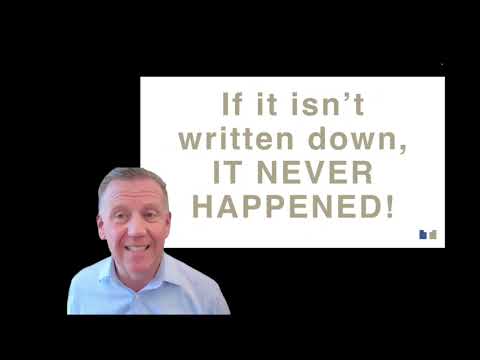
The webinar recommended a regular review cadence: management or the appropriate committee should review policies annually, with a legal review every three years. For critical tasks, the presenter recommended documented training and, when appropriate, operator certification. He stressed document control—an indexed policy list, clear revision dates, and retention rules—to prevent outdated or conflicting versions from remaining ‘‘in a binder’’ and causing confusion.
Jason also discussed practical resources: the trust’s designated safety-officer materials, boilerplate examples usable as starting points if tailored, and professional support. He mentioned that the trust negotiates discounted legal support for members (naming attorney Matt Church as counsel the trust uses). On technology, he warned that artificial-intelligence tools can speed drafting but may produce inaccurate content and must be followed by careful review: ‘‘buyer beware’’ when relying on AI for policy text, he said.
During chat, Jeff Rowley, the trust’s claims manager, urged members to include sidewalk and property inspection and maintenance programs among their must-have policies to defend against liability claims; Jason acknowledged the point and said the trust would cover inspections in a future webinar.
The webinar closed with an invitation to submit questions by email (the presenter gave a contact email) and a final reminder that policies and procedures are powerful risk-management tools only if they accurately reflect operations and are actively managed.
Next steps cited in the session: prioritize policies for high-risk activities, implement document-control practices, schedule annual management reviews and triennial legal reviews, and tailor any purchased templates to local operations.