Get Full Government Meeting Transcripts, Videos, & Alerts Forever!
Get email alerts on the Day Of The Dead Event topic
No spam. Unsubscribe anytime.
West Valley City hosts Día de los Muertos celebration; community leader explains altar traditions
Summary
Irma Hofer, director of Ballet Las Américas of Utah and cultural activities director at Centro Cívico Mexicano, explains Día de los Muertos symbolism and invites the public to a free celebration at the Utah Cultural Celebration Center on Nov. 1 from noon to 6 p.m.
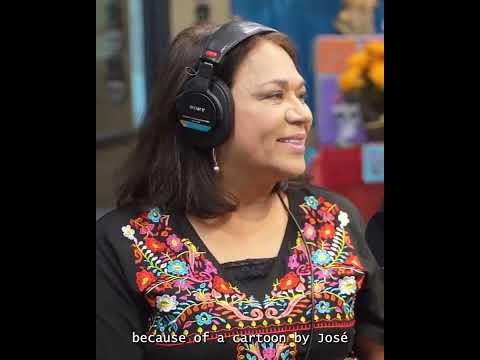
Irma Hofer, director general of Ballet Las Américas of Utah and director of cultural activities at Centro Cívico Mexicano, described the cultural meaning of Día de los Muertos and invited the public to a community celebration at the Utah Cultural Celebration Center in West Valley City on Saturday, Nov. 1.
Hofer, a retired high-school Spanish and history teacher who taught International Baccalaureate and Advanced Placement courses, told host Karen Town that Día de los Muertos is a time to remember and honor loved ones. "Cada año pongo a alguien que honro... es una época especial donde recordamos a nuestros seres queridos que se han ido," she said, explaining that families create ofrendas (altars) with favorite foods, drinks and symbolic elements to welcome the dead in spirit.
Hofer outlined the common elements of an altar and their meanings: marigolds (cempasúchil) guide the deceased to the ofrenda, candles represent fire and light, salt purifies the space and papel picado symbolizes the wind. She said pan de muerto — a round bread placed on altars — represents the unending cycle of life. "Aquí te estamos honrando, esto es tu comida favorita, mira que tu bebida favorita está aquí," she said, describing how personal objects and foods attract memory.
She also emphasized that Día de los Muertos is distinct from Halloween. "Halloween es la víspera del día de los muertos, nada que ver," Hofer said, noting Halloween’s European origins centered on warding off spirits with costumes, while Día de los Muertos centers on remembrance and ofrendas for the deceased on Nov. 1 (All Saints/children) and Nov. 2 (All Souls/adults).
Hofer traced the modern image of La Catrina to cartoonist José Guadalupe Posada and described alebrijes as imaginative, hybrid creatures that can appear in dreams and guide spirits. She encouraged anyone wishing to honor the dead to assemble a simple altar with a cross (for Catholics), candles, salt, papel picado and a glass of water or a favorite beverage.
The event at the Utah Cultural Celebration Center will feature music, dance, food and an exhibition of community altars. Hofer invited residents to attend between 12 p.m. and 6 p.m. on Nov. 1; hosts provided the event website as dayofthedeadutah.com for additional information.
The interview was conducted in Spanish and focused on cultural history, personal memory and community participation; no formal actions or policy decisions were discussed. The event is presented as a public cultural celebration open to the community.