Get Full Government Meeting Transcripts, Videos, & Alerts Forever!
Get email alerts on the Historic Preservation topic
No spam. Unsubscribe anytime.
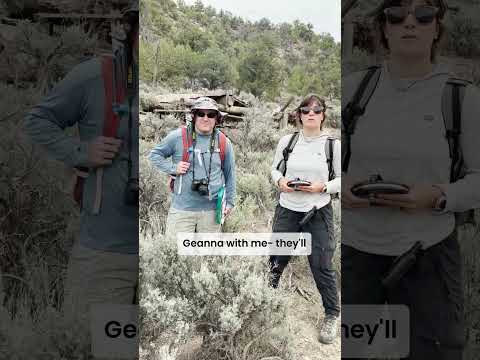
Volunteers help BLM document expansive gilsonite mining site in Uinta County
Summary
Volunteers working with the Bureau of Land Management spent a Saturday documenting a historic gilsonite mining site that stretches through a canyon in Uinta County, Utah, saying the site is too large for two archaeologists to record in a single day.
A Bureau of Land Management-led team and volunteer site stewards spent a Saturday documenting a historic gilsonite mining site in a canyon in Uinta County, Utah, a presenter said.
"How many site stewards does it take to document a site?" the presenter asked, describing the effort as part of a BLM field documentation project. The presenter said the site covers almost an entire canyon and that "two archaeologists could not do this in a day," underscoring the scale of the task.
Volunteers Dan and Gianna, who joined the effort, said they were motivated by a desire to see and preserve sites that most people do not often encounter. "I love seeing historic sites that most people in Utah or around the world don't get to see there," Dan said. Gianna said the pair were interested in learning more about the mining camps they often see from the road and wanted to help with documentation.
Organizers described the volunteers as stewards assisting with on-the-ground recording of features and artifacts; the transcript does not specify the full scope of methods used or any formal research outcomes. No formal actions, permits, or dates for report submission were mentioned in the recording.
The work reflects a partnership-style field effort combining agency staff and community volunteers to document a large historic mining area. The presenter and volunteers emphasized learning and preservation rather than a completed research report; next steps, follow-up reporting, or plans for public access to findings were not specified.