Get Full Government Meeting Transcripts, Videos, & Alerts Forever!
Get email alerts on the Public Safety topic
No spam. Unsubscribe anytime.
Utah House outlines public-safety agenda focused on fentanyl, gangs and homelessness
Summary
A statement from the Utah House of Representatives emphasized public-safety priorities: tougher enforcement against drug trafficking (noting fentanyl overtaking meth in overdose deaths), targeting gangs and tightening penalties for repeat offenders, and increased coordination and funding to address homelessness.
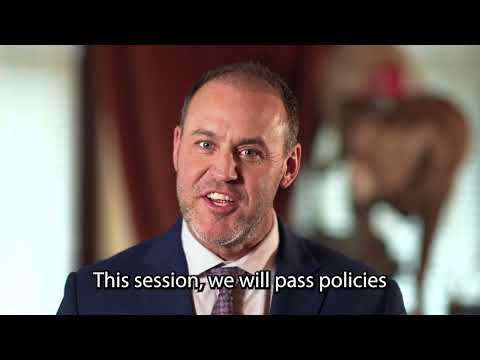
An unidentified spokesperson for the Utah House of Representatives said the chamber will prioritize public safety in the coming session, focusing on drug trafficking, gang activity, and local responses to homelessness.
The spokesperson said the state’s success "is the result of strategic investment in public safety, strong community partnerships, and policies that reflect our Utah values." They reiterated prior legislative changes, saying, "Last year, the legislature enhanced criminal penalties for drug distributors and repeat criminal offenders," and said this session would add measures to "target gangs and close the gaps in the criminal justice system that create a revolving door for frequent offenders."
Why it matters: Utah’s statement combines criminal-justice changes with local enforcement measures and homelessness responses. That mix could lead to new legislation affecting policing, prosecutorial priorities and local authority, and to budget or administrative changes tied to homeless services oversight.
The statement highlighted drug enforcement as an immediate priority, asserting that "Fentanyl has surpassed meth as the most common drug involved in fatal overdoses in Utah." It said the House will "give law enforcement the tools they need to disrupt trafficking networks and hold drug traffickers accountable." The transcript does not specify what statutory changes or funding those tools would require.
On immigration and driving enforcement, the spokesperson said, "The federal government is finally getting serious about the crisis at the southern border," and pledged to "pass policies to address unlicensed drivers and coordinate with federal authorities to expedite deportations of those who commit crimes." The assertion of federal action and the promised state-level steps were presented as policy objectives; the transcript does not record specific proposals, bill numbers or timelines.
The address also covered homelessness. The speaker said that "last year, the legislature gave cities the tools to end unsanctioned camping," noted an increase in funding "to mitigate the impacts of homelessness on local communities," and described "a new homeless services board to increase accountability for addressing homelessness." The statement did not include dollar amounts, statutory citations or operational details for the board.
What was not recorded: the transcript contains no formal motions, bill numbers, committee referrals or votes. The remarks are an outline of priorities and do not document enacted legislation or scheduled hearings. Officials cited prior legislative activity but did not provide citations or funding breakdowns in the recorded remarks.
Looking ahead: the House indicated it will pursue measures this session aimed at criminal-justice enforcement, drug trafficking and homelessness coordination. The transcript does not specify next procedural steps or dates for bills or hearings.