Get Full Government Meeting Transcripts, Videos, & Alerts Forever!
Get email alerts on the Higher Education topic
No spam. Unsubscribe anytime.
Utah House outlines $60 million higher-education reinvestment plan to align programs with workforce demand
Summary
Representative Karen Peterson described House Bill 265, which aims to create a $60 million strategic reinvestment account by reallocating funds within higher education to prioritize high-impact, workforce-aligned programs over three years; the bill passed the House and is headed to the Senate.
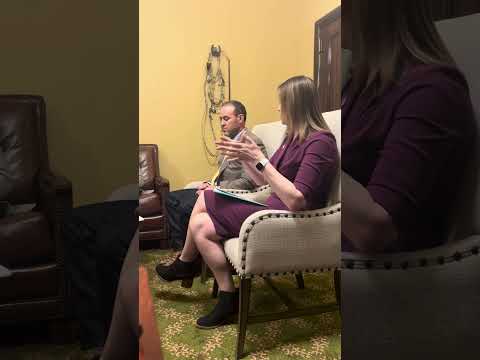
Representative Karen Peterson told members the House-passed House Bill 265, titled Higher Education Strategic Reinvestment, would create a $60,000,000 strategic reinvestment account by reallocating funds from institutions’ instructional budgets to programs tied to workforce demand. “It passed the House, last week with bipartisan support,” Peterson said, and “it’s gonna be heard the first thing next week in the senate committee.”
Peterson said institutions will review budgets, administrative costs and low-enrollment programs and have three years to meet the $60 million target while ensuring students currently enrolled can finish their degrees. “We want all those programs to be aligned with workforce opportunities and economic opportunities for students,” she said, describing the funds as a restricted, higher-education account intended for reinvestment in “high impact, and high demand programs.”
The Speaker emphasized cost pressures on students and highlighted administrative spending as a concern, saying there has been a “143% increase in just administrative costs on a per student basis over a 9 year period.” Lawmakers characterized the effort as designed to “bend the cost curve” on tuition by reducing noninstructional spending and redirecting dollars toward programs with stronger labor-market returns.
Peterson said the plan is not intended to abruptly close programs with enrolled students: institutions will plan transitions, preserve accreditation and check in with legislative oversight during the three-year implementation. She also noted related work on performance-funding metrics to ensure outcomes align with each institution’s mission.
The bill does not yet have a Senate outcome; Peterson said it will enter the Senate committee process next week and that institutions will submit initial reinvestment plans and have opportunities to adjust them during the first two years.