Get Full Government Meeting Transcripts, Videos, & Alerts Forever!
Get email alerts on the Education Funding topic
No spam. Unsubscribe anytime.
House leaders say large district reserves prompt questions about directing funds to teachers
Summary
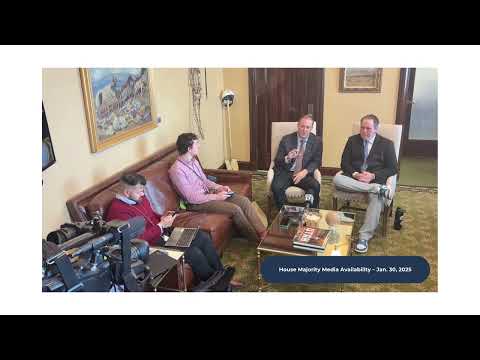
Lawmakers at the briefing raised concerns about some school districts holding large reserve balances — citing figures for Alpine and Jordan districts — and said the legislature will ask districts to explain why funds are held rather than being redirected to teacher pay or classroom needs.
Reporters raised figures suggesting some school districts hold large investment and savings balances — Speaker 7 referenced numbers "close to a half $1,000,000,000" for some districts and more than "$400,000,000 in the Jordan district" — and asked whether the legislature is concerned those reserves are excessive, especially while teachers pay classroom expenses out of pocket.
Speaker 2 said the legislature values prudent reserves but the question of how large district balances should be is fair and merits district responses. "We look forward to the education community responding, to why that is the case," he said, adding that having every legislator sit on appropriations committees helps identify such issues.
Speaker 4, who described touring schools and hearing teachers' accounts of out‑of‑pocket spending, said the state has a rainy‑day fund for education and that amendments (referred to as 'amendment g' in the briefing) seek to help manage funds during downturns. "Is it necessary to have that much of a reserve when you have these great needs?" Speaker 4 asked, but the briefing offered no legislative proposal to cap district reserves.
Leaders encouraged teachers to raise questions with district superintendents and said the appropriation process would surface whether adjustments to policy or caps are warranted. No specific legislation or numeric cap was proposed at the briefing.