Get Full Government Meeting Transcripts, Videos, & Alerts Forever!
Get email alerts on the Caucus Priorities topic
No spam. Unsubscribe anytime.
Utah House Majority Unveils 2025 Roadmap: Education, Taxes, Energy, Public Safety and Elections
Summary
The Utah House Majority Caucus previewed its 2025 legislative priorities, emphasizing career and technical education, higher-education accountability, tax cuts, expanded law-enforcement measures targeting gangs and fentanyl, and steps to address election-audit findings.
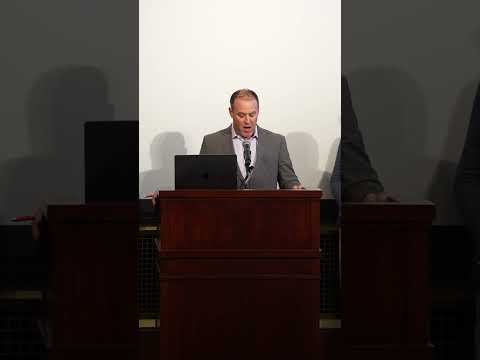
The Utah House Majority Caucus on an appearance before constituents and press outlined a broad policy roadmap for the 2025 general session, naming education, affordability, energy and public safety among its top priorities.
An unnamed Speaker leading the briefing said the caucus will pursue common-sense conservative policies and invited the public to review details on the House website. ‘‘We are excited as a house majority caucus, to share with you our priorities for the 2025 general session,’’ the Speaker said, adding the session starts in eight days.
Representative Perucci, chair of education, said the caucus will invest in career and technical education (CTE), expand individualized learning and realign higher-education programs with workforce needs. Representative Karen Peterson framed affordability as central and said the caucus will focus on lowering taxes, promoting home ownership and protecting taxpayer dollars.
On public safety, Representative Lisonbee said leaders will target gangs and organized criminal groups, expand resources to combat fentanyl trafficking, and pursue policies intended to reduce recidivism. Representative Brooks warned against ‘‘onerous federal regulations’’ and said the caucus will press for more state autonomy on land and regulatory questions.
The Speaker said the House will follow up on 2024 legislative-audit findings about elections and voter rolls, calling transparency a priority. He said the caucus is considering options related to ERIC (the Electronic Registration Information Center) and other tools for maintaining accurate voter rolls but had no settled proposal.
The briefing also touched on energy policy; the Speaker described active conversations about nuclear energy and partnerships with research centers such as the San Rafael Research Center and Idaho National Laboratory. He framed energy planning and water supply as necessary investments for continued growth.
The caucus emphasized process: most specifics will be developed in committee during the 45-day session rather than at a high-level briefing. The Speaker repeatedly asked questioners to refrain from bill-level specifics at the event and said individual bills will be debated during the session.
The briefing closed with a reminder that additional details and bill texts would be posted on house.utleg.gov and that leaders intend to ‘‘work through the normal process’’ including, if needed, lawsuits in federal court after the U.S. Supreme Court declined review in a recent case the state had pursued.