Get Full Government Meeting Transcripts, Videos, & Alerts Forever!
Get email alerts on the Congestion Pricing topic
No spam. Unsubscribe anytime.
State sees congestion pricing as a tool, secretary says, but urges protections for low‑income riders
Summary
Secretary Toks Omishakin said congestion pricing and lane management are part of California's transportation toolbox but stressed the need for subsidized access or targeted programs to avoid pricing out low‑income users.
Toks Omishakin said congestion pricing and managed lanes will be components of California’s long‑term approach to congestion and emissions, but he emphasized the need to pair pricing with equity protections.
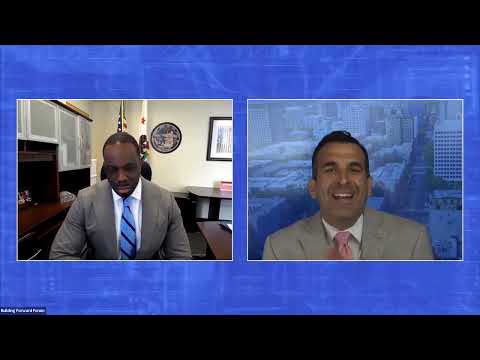
When San Jose Mayor Sam Liccardo raised community concerns about tolling and equity, Omishakin acknowledged those concerns and said pricing can create more reliable lanes for buses and high‑occupancy transit, while targeted subsidies or programs should ensure low‑income workers are not excluded from access to jobs.
Why it matters: Congestion pricing can reduce traffic and improve bus reliability, but its distributional impacts are a frequent focus of policy debate. How jurisdictions design pricing and mitigation programs can affect low‑income commuters and transit equity.
Omishakin suggested that as pricing is implemented, policymakers should also design mechanisms to subsidize low‑income users and increase transit access (for example, allowing transit vehicles to use managed lanes). He framed pricing as complementary to investments in transit service and active transportation.
What’s next: The secretary said the state intends to play a stronger role in congestion management planning and that local agencies should consider equity safeguards when developing pricing programs.