
Regional COG warns proposed Charlotte Water transfer could strain Catawba River supplies
Get AI-powered insights, summaries, and transcripts
Subscribe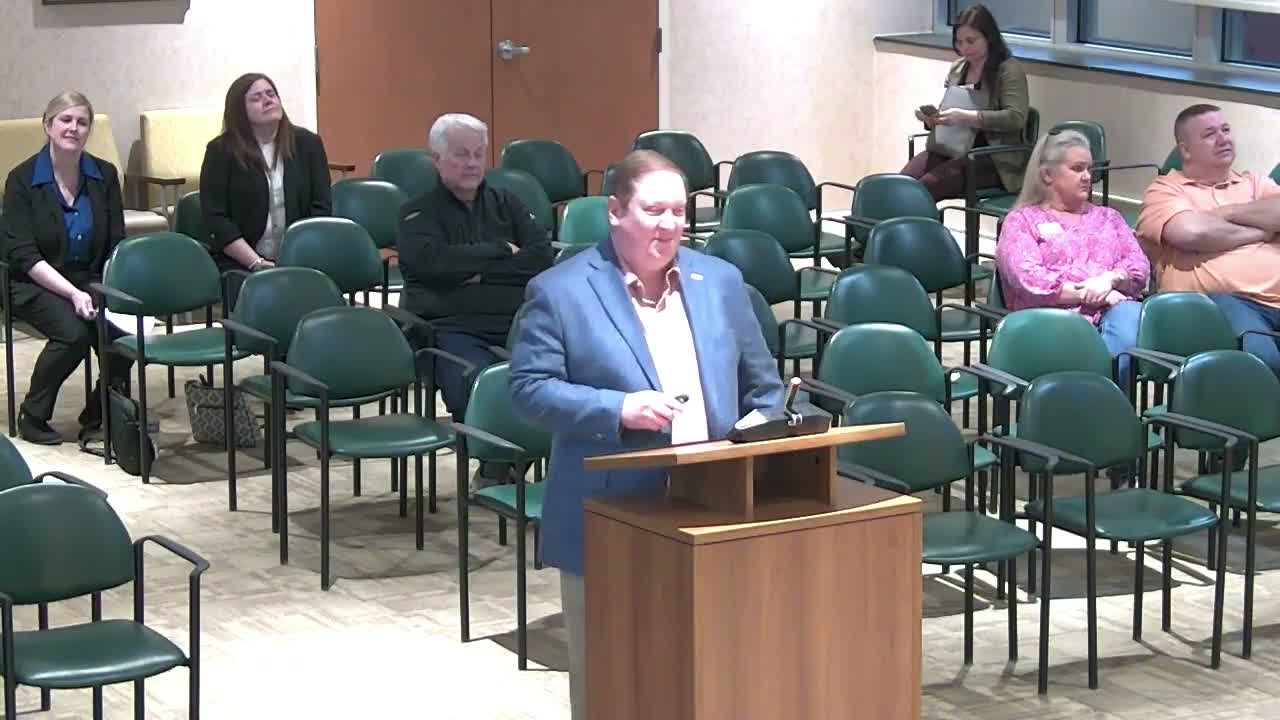
Summary
The Western Piedmont Council of Governments told Burke County commissioners that Charlotte Water's potential proposal to increase interbasin transfers could exacerbate drought risk, heighten treatment costs and limit future local growth without guardrails and alternatives such as Yadkin Basin sourcing or return-flow infrastructure.
Anthony Starr, executive director of the Western Piedmont Council of Governments, told the Burke County Board of Commissioners that proposed expansions of interbasin transfers (IBTs) from the Catawba River warrant close scrutiny because of long-term supply and environmental risks. Starr said Charlotte Water currently holds a 33,000,000-gallon-per-day certificate and has indicated scenarios that could move toward 63,000,000 gpd.
Starr summarized technical findings, including historical drought patterns and reduced available storage, and argued that removing larger volumes of water from the basin concentrates pollutants and raises treatment costs for upstream communities. "We just don't want that growth to occur at our expense," he said, urging regional cooperation and policy changes.
The presentation noted that smaller transfers are sometimes necessary but that larger transfers have outsized economic and environmental impacts on source basins. Starr pointed to alternatives Charlotte might pursue, including sourcing from the Yadkin River Basin or returning treated wastewater across the ridgeline so the net transfer is reduced.
Starr also described recent state-level action: the General Assembly placed a moratorium on new or expanded transfers of 15,000,000 gpd or more through March 2027 and tasked the North Carolina Collaboratory at UNC Chapel Hill with producing study recommendations by January 2027. He urged commissioners to press state legislators and to use the Collaboratory process to push for time-limited IBT approvals and a drought-mitigation fund for impacted communities.
During commissioner questioning, Starr said he was not aware of any large IBTs that directly draw from the Catawba River chain affecting Burke County, and he confirmed Charlotte had not advanced expansion requests since the moratorium took effect. Commissioners asked about Environmental Management Commission (EMC) appointments and potential litigation; Starr said EMC members are appointed by the governor and legislative leaders and warned that approvals could prompt interstate litigation.
The board voted 5-0 to accept the COG report and asked staff to coordinate advocacy with regional leaders and the Collaboratory process. The next formal opportunity for public review will occur after Charlotte completes an environmental impact statement and the EMC schedules hearings.