United Way urges continued city support for 211 helpline after surge in demand
Loading...
Summary
United Way of Greater Chattanooga told the council 211 handled tens of thousands of calls and distributed emergency aid, asking the city to sustain operating support so the nonprofit can maintain staffing, closed-loop referrals and stormwater-fee assistance.
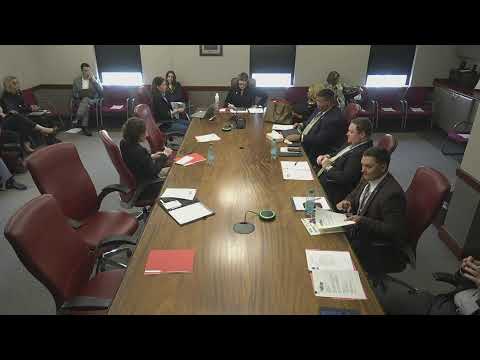
Abby Garrison, representing United Way of Greater Chattanooga, told the council that the nonprofitruns the local 211 call center and urged continued city operating support after a sustained increase in demand. Garrison said the Chattanooga call center responded to over 57,000 calls last year, serves a 15-county footprint and that city residents are among the program's heaviest users.
Garrison described 211 as "civic infrastructure," not traditional charity, and said United Waypairs information-and-referral with privately raised emergency-assistance funds. "We were able to put out over $800,000 of just direct assistance to individuals who might need help paying a bill or getting behind on getting caught up on their rent," she said. She also described a pilot closed-loop referral system with about 20 partner agencies to confirm whether referrals produced services.
Why it matters: Council members pressed for numbers and funding details because the cityand county both provide public dollars to 211's operations and other partners. Garrison said the 211 operating budget is about $900,000 and stressed that local public support bolsters United Way's ability to leverage state and federal funding. She noted United Way advocates for state and federal dollars ("Help Act" was cited) but said local buy-in strengthens those cases.
Key program details and limits cited in the meeting: United Way administers the city's stormwater-fee assistance, served more than 2,100 households through that program last year, and takes a small administrative fee for the service. For private emergency-assistance funds, Garrison said United Way enforces eligibility parameters including a lifetime cap of $3,000 per person and a rent-assistance maximum of $1,200 (generally limited to one time per year). She said grantmaking across United Waylast year totaled roughly $3.5 million distributed to about 55 organizations (averaging about $90,000 each).
Council follow-ups and next steps: Council members asked United Way to share the presentation slides and to provide additional breakdowns on calls (including unique callers vs. repeat callers) and on how county and city contributions are allocated. Garrison confirmed Hamilton County gave $100,000 in the most recent year (previously $170,000) and said United Way hopes to restore a county match. City staff also noted that eviction-prevention funding and rapid-rehousing contracts will receive additional updates at upcoming homelessness meetings.
The presentation closed with United Way offering data support tailored to council districts and a request that the city continue operating support for 211 so the call center can maintain staff, expand careful technological efficiencies and sustain closed-loop referral work.