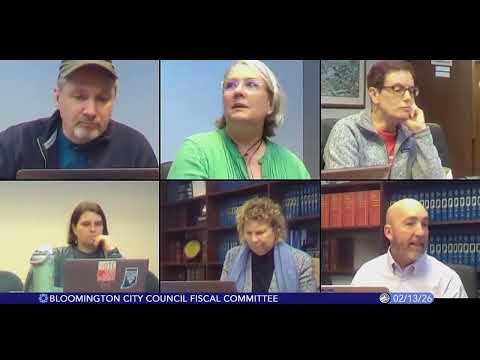
Controller presents 2025 year‑end report as public commenters press for timely audited ACFR

Monroe County Fiscal Committee (special fiscal committee) · February 17, 2026

Get AI-powered insights, summaries, and transcripts

Subscribe
AI-Generated Content: All content on this page was generated by AI to highlight key points from the meeting. For complete details and context, we recommend watching the full video. so we can fix them.

Summary

City controller Jeff McKinnon reviewed 2025 revenue and appropriation variances, explained a new PSAP fund and timing for supplemental local income tax distributions, and faced public calls from two commenters to make audited financials (ACFR) timely and pursue GFOA standards.

Jeff McKinnon, the city controller, told the Monroe County fiscal committee on Feb. 15 that the spreadsheets he shared were intended to start a conversation about 2025 revenue and appropriations rather than be read line‑by‑line. He said the city’s public open‑data portal provides near‑real‑time extracts from the financial system and urged committee members to request specific reports they wanted to see.

McKinnon said several large variances between the approved 2025 budget and actual receipts show up in the controller’s office and in economic development lines because of a supplemental distribution of local income tax (LIT) the state may announce by about May 15. He cautioned the committee not to count on such supplemental distributions in regular budgeting until the state posts final numbers.

He also explained that the city created a separate PSAP (public safety answering point) LIT fund last year for dispatch funding, which moved revenues and expenditures out of prior police/public safety lines and created an appearance of a large negative variance in the police account even though total receipts were not lower.

Public comment focused sharply on the city’s audited annual comprehensive financial report (ACFR). Kevin Keough, a member of the public, told the committee the ACFR for the year ended Dec. 31, 2024, was due Sept. 30, 2025, and that date had been missed. "Audited financial information delivered that late is no longer decision‑useful," Keough said, and urged the committee to direct the administration to publish future ACFRs within six months of year‑end and to pursue the Government Finance Officers Association certificate of achievement for timeliness.

McKinnon acknowledged the backlog, saying work on the 2022 and 2023 audits had to be completed first and that accounting‑standards changes (leases, capital asset valuation, and subscription‑based IT arrangements) have added complexity. He said the ACFR is audited and therefore requires testing and artifacts from multiple departments, and that staff and the audit firm (Crowe) were still finishing required work; he estimated the remaining timeline at "weeks, not months." He said the administration intends to be current and that the 2025 audit work would follow the sequential requirements for audited reports.

Another public commenter, Kevin Cleo, urged the committee to start closing books for 2025 on day one and to consider an executive‑level review of obstacles such as staffing or internal‑control weaknesses. Cleo said timely audited reports strengthen public trust and are achievable within six months.

The controller committed to follow up on specific questions raised by committee members — including producing a fund diagram and interfund‑transfer report on request — and to provide updates on the ACFR timeline. No formal action was taken at the meeting to change audit policy; the committee asked staff to continue working with consultants and auditors and to return with status updates.

"We are still working on it," McKinnon said of the ACFR, "and from talking to the two firms involved in this, probably still a few weeks out from translation of the ACFR, which is an audited report."