
Committee adopts third substitute for Utah Fits All scholarship bill; debate centers on accreditation and private-school definitions
Get AI-powered insights, summaries, and transcripts
Subscribe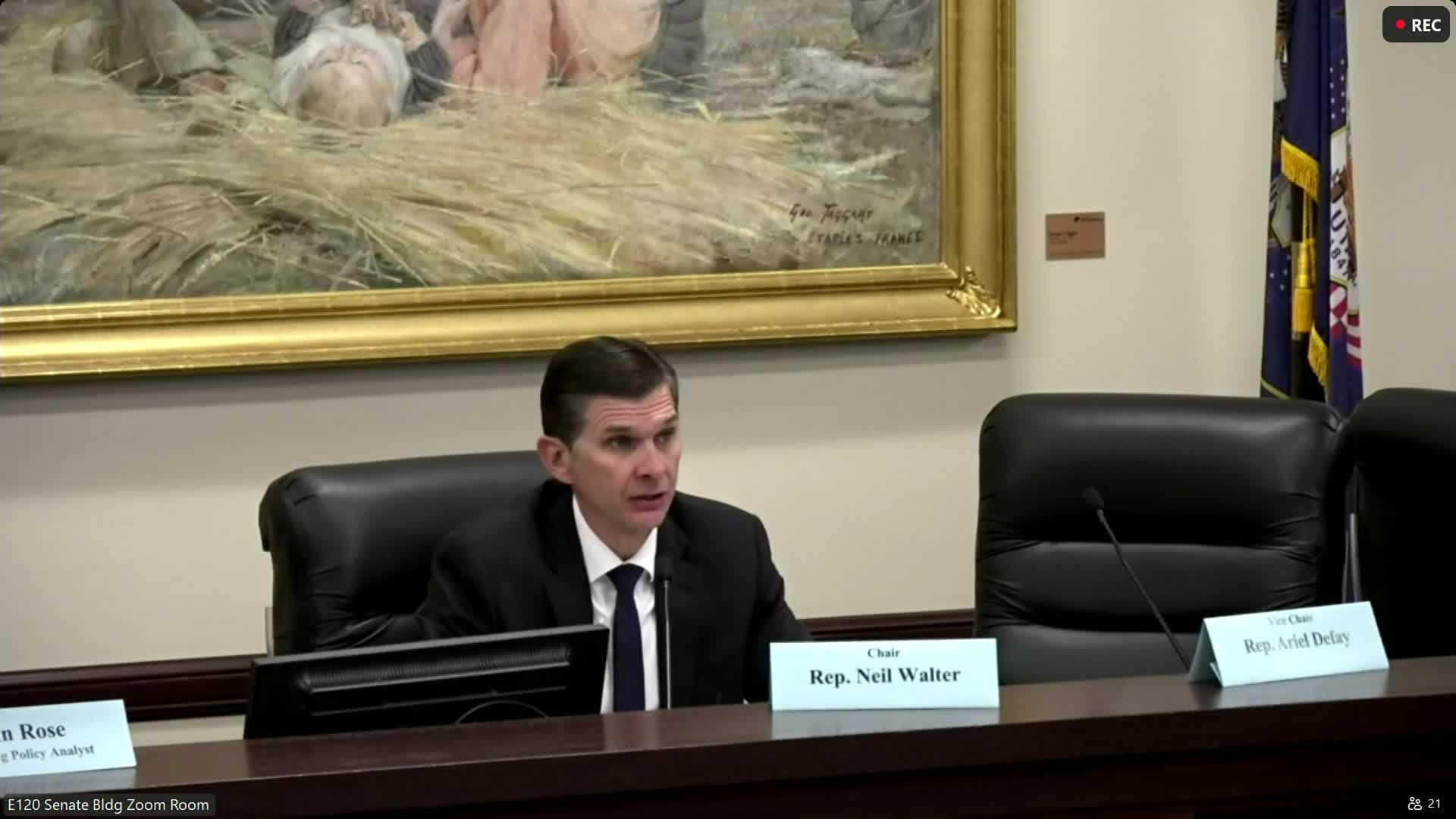
Summary
Rep. Pucci's HB467 (Utah Fits All) moved forward after the committee adopted a third substitute that tightens accreditation standards; the panel voted to recommend the bill 12–2 amid objections that accreditation could narrow options for microschools and home-based learners.
Representative Pucci presented a revised substitute for HB467, the Utah Fits All scholarship program, highlighting changes to lottery rules (including sibling preference), preapproval of expenses, marketplace purchasing safeguards and customer-service standards. The sponsor said changes respond to families’ concerns and aim to protect taxpayer dollars while preserving choice.
A central change in the substitute is a mechanism to distinguish private schools eligible for the $8,000 tier from home-based learners and other tiers. The substitute creates an accreditation pathway and a working group to establish Utah-specific standards and includes a multi-year ramp to allow providers to meet requirements.
Several committee members and public commenters raised concerns that an accreditation requirement could gatekeep microschools, hybrid models and rural providers. Representatives and speakers for homeschool coalitions and microschool operators said accreditation is costly and could push innovative programs out of the marketplace; they asked for alternative accountability measures such as targeted testing, portfolio models or transparent financial reporting. Sponsor Pucci said the substitute retains several routes (including approved-provider status and reimbursement options) and provides time for schools to meet standards.
Representative Lisonbee moved the third substitute, which the committee adopted. The committee then voted to favorably recommend HB467 with the third substitute; the motion passed 12–2, with Representatives Auxier and Peck recorded in opposition. Sponsors and several supporters said the changes strike a balance between guarding against fraud and preserving parental choice; opponents said the statutory language still risks narrowing options for families who rely on nontraditional providers.