Get Full Government Meeting Transcripts, Videos, & Alerts Forever!
Get email alerts on the Property Maintenance Code topic
No spam. Unsubscribe anytime.
Topeka committee presses ahead on property maintenance code amid heated rental-registry debate
Summary
The Topeka City Public Health and Safety Committee advanced review of a revised International Property Maintenance Code Nov. 19 while hearing extended public comment on proposed language that would treat non-owner-occupied properties differently and on a separate rental-registration proposal.
TOPEKA, Kan. — The Topeka City Public Health and Safety Committee continued its yearlong effort to update the International Property Maintenance Code (IPMC) on Wednesday, Nov. 19, pressing to finalize code language by December so planned software updates can be implemented in the first quarter.
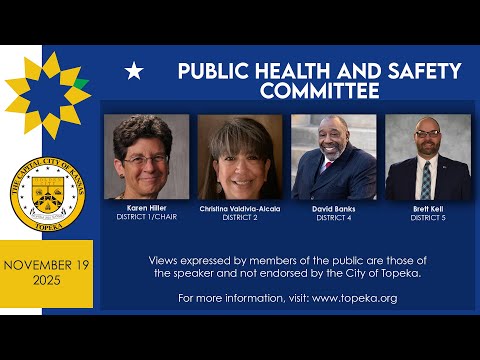
The committee, chaired by Councilwoman Karen Hiller, heard staff and public comments about fines, inspection procedures and proposed amendments that would allow faster enforcement of non-owner-occupied properties while giving owner-occupants more time to comply. "We want to make sure tenants have safe homes," said Kelly Trussell, chief of prosecution, describing the office’s approach to prosecution and noting prosecutors retain discretion to assess cases on their evidence and circumstances.
Why it matters: The changes could shift how the city handles repeat offenders and vacant or rental properties, with potential effects on enforcement workload, taxpayer costs for abatement and the way fines or inspection fees are assessed. Committee members said they aim to minimize court involvement and reduce costs by improving administration and early compliance.
What happened: The meeting opened with routine business; the committee approved and agreed to later ratify the Oct. 15 minutes. Chair Hiller summarized a presentation given to the full council the night before and distributed a corrected third-quarter data report prepared by staff member Nicole Stovall after MyGov duplicates were removed. Hiller said staff and legal teams aim to adopt IPMC updates by December to match upcoming software changes.
On enforcement, Trussell explained the practical distinction between administrative compliance handled by code inspectors and criminal prosecution pursued for egregious or repeated violations: "If there are six different violations, we could dismiss some counts for compliance and convict on the most egregious violation," she said. The proposed draft would bar dismissals "solely because it was abated," but Trussell said prosecutors would still have ethical and evidentiary bases to dismiss when appropriate.
Multiple speakers raised questions about inspection fees and how they would be applied. Staff described a provision under discussion that would require an inspection fee upon conviction but would leave prosecutors discretion over how many reinspections — and therefore how many fees — to assess in individual cases.
Public comment was extensive. Landlord Matt Cobb objected to language that he said would limit prosecutorial discretion and risk violating Kansas case law and professional conduct rules: "I think it violates clear Kansas case law," he said, urging further legal review. Steve Vogel, president of the Shawnee County Landlords Association, asked for clearer enforcement records and how the city would apply graduated fines to serial violators. Tenant and community advocates urged a data-driven, tiered approach to distinguish true safety-and-health problems from cosmetic or administrative issues and suggested piloting a registry that targets large corporate owners first.
Staff acknowledged a recurring enforcement challenge: many problem properties are held in limited-liability companies, and convictions and penalties attach to the named LLC rather than an individual owner. Staff and advocates discussed rental registration or licensing as a way to link related entities and improve accountability but said such programs require careful legal drafting to avoid liability and unintended consequences.
What’s next: Chair Hiller said she will consult senior management and legal staff on outstanding legal questions and on whether to move the IPMC updates to full council. She suggested an early-December public hearing if more public input is warranted. No ordinance was adopted at the meeting.
Votes and formal actions: The only recorded formal action was a committee vote to approve the Oct. 15 minutes; the motion was made by David Banks and seconded by Chair Hiller and carried by the members present. No votes were taken on IPMC language or rental-registration proposals during the session.
Context: Committee members referenced the International Property Maintenance Code (IPMC) and noted the draft spans more than 60 pages in areas including standards, procedures, fines and fees. Advocates identified HUD-related tiers ("Inspire"/HQS) as a model for prioritizing safety-related violations over cosmetic issues.
The committee adjourned after chair consultation about next steps and outreach to interested stakeholders.