
Senate committee debates SB115 to authorize Kansas bullion depository and allow limited state gold holdings
Get AI-powered insights, summaries, and transcripts
Subscribe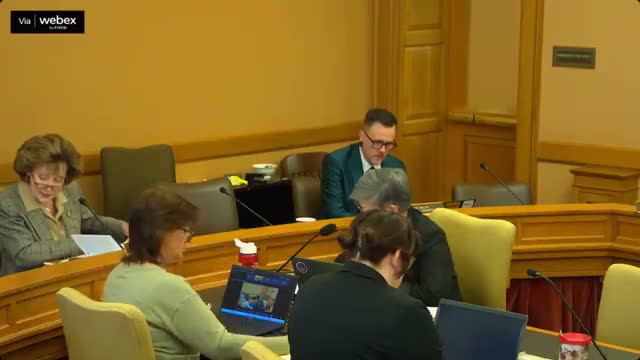
Summary
Senate Bill 115 would let the state treasurer establish bullion depositories, require security, insurance and twice-yearly independent audits, and permit the treasurer to invest a portion of state monies in specie; proponents argued it hedges inflation while opponents warned against the state becoming a market participant.
The Senate Committee on Financial Institutions and Insurance heard extended testimony and questioning on Senate Bill 115, which would create the Kansas Bullion Depository Act and authorize the state treasurer to establish and administer bullion depositories and to contract with private administrators.
The reviser summarized SB115’s scope: it would define who may establish depository accounts, set required security, insurance and audit standards, prohibit depository officials from having financial interests in bullion-related businesses, require quarterly reporting by a contracted administrator and an annual report by the treasurer to the Legislature, and permit the treasurer to deposit a portion of state monies into bullion. The draft also contains language (Section 11, as read in testimony) to authorize "species legal tender" as a permitted investment and to limit such investments to 20% of the pooled money investment portfolio at the time of purchase.
Senator Michael Murphy, speaking in support, said the bill "doesn't require it to be done. It just makes it possible," and described optional participation, RFPs for private administrators, and precedent in other states including Texas and Utah. Proponents — including a licensed clinical social worker, policy experts and investment consultants — argued a modest bullion allocation would diversify reserves and preserve purchasing power during inflationary periods. Laurie Bolton, described in testimony as a policy director, cited a Utah example in which an approximately $60 million investment in physical gold appreciated to about $110 million.
Committee members pressed proponents on practical questions: how bullion would work as legal tender for daily transactions, how account values would be priced and converted (proponents said conversions would use spot pricing at the time of transaction), and how the state would preserve liquidity for a rainy day fund. Mike Carter (National Security Investment Consultants) and Senator Murphy said physical bullion can be liquid and that contractual and custody arrangements, insurance and an RFP-based administrator would be used to manage operations.
Opponent JP Cortez of the Sound Money Defense League urged caution, saying the transactional elements are unnecessary because private-sector mechanisms already enable spending or card-based access to bullion. "This is not the same thing" as choosing a banking vendor, Cortez said, warning the bill risks "pivoting from regulator to market participant and vendor" and urged the committee to prefer a narrower gold-reserve model over broader transactional authority.
What's next: Committee members requested comparisons to other states and details on proposed amendments; the chair closed the SB115 hearing with no committee vote during this meeting.