
Lawmakers weigh bill letting plaintiffs accept $5,000 instead of medical-malpractice panel in Women’s Right to Know cases
Get AI-powered insights, summaries, and transcripts
Subscribe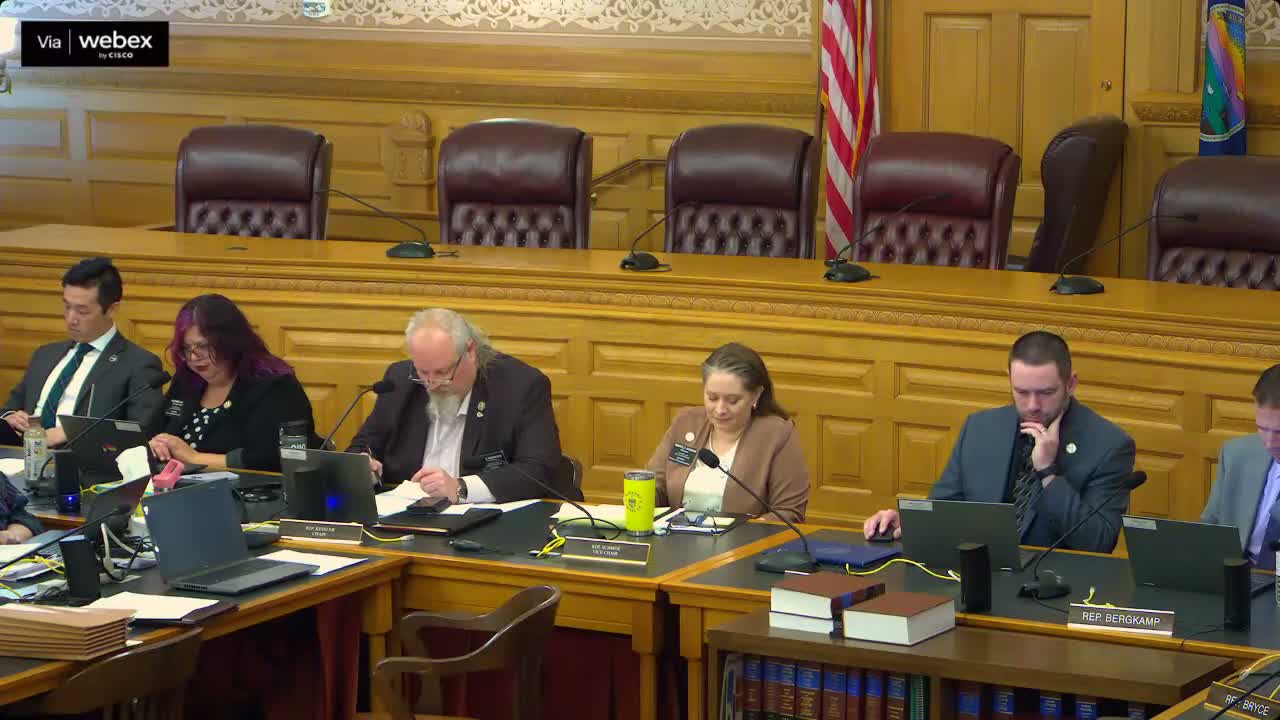
Summary
HB 2727 would let plaintiffs in Women's Right to Know Act claims elect a $5,000 statutory damages remedy (plus costs and attorney fees) and bypass medical-malpractice screening panels; proponents argued the change eases enforcement barriers, while Planned Parenthood Great Plains Votes warned it would encourage baseless suits and stigmatize providers.
House Bill 2727, which would allow plaintiffs in claims under the Women's Right to Know Act to elect statutory damages of $5,000 plus costs and attorney fees and thereby avoid the state medical-malpractice screening panel, prompted extended proponent and opponent testimony at the Committee on Federal and State Affairs.
Kyle, committee staff, described the bill's mechanics and noted existing law that treats failure to provide required information (including about medication abortion under KSA 65-67-009 and related provisions) as unprofessional conduct and allows civil actions. Under HB 2727, a plaintiff who elects the statutory recovery would not be subject to the screening-panel process laid out in KSA 65-49-04; the bill would become effective upon publication in the statute book.
Proponents including Lucretia Nold (Kansas Catholic Conference), Britney Jones (Kansas Family Voice), Jean Gowden (Kansans for Life) told the committee the amendment would remove financial and administrative barriers that deter women from bringing enforcement claims, speed access to civil remedies and provide a meaningful remedy for statutory violations. "This is designed to help alleviate any burden or fear a woman might have when filing a lawsuit," Lucretia Nold said. Britney Jones described the $5,000 figure as "a very modest recovery" that would make enforcement meaningful while preserving the ability to pursue full tort remedies where appropriate.
Committee members asked detailed questions about process, the role of judges and whether electing the statutory remedy requires the defendant's consent. Proponents explained the election is voluntary for plaintiffs and that choosing the statutory path removes the screening-panel requirement; normal court procedures would still apply and judges would decide cases.
Taylor Morton, legislative affairs and organizing manager for Planned Parenthood Great Plains Votes, opposed HB 2727, saying it "makes it easier to file baseless lawsuits against abortion providers," increases burdens on providers, and provides "no benefit to patient safety." Morton also argued the bill would be used to intimidate providers and that many of the underlying Women's Right to Know Act requirements have been challenged as constitutionally suspect in recent litigation.
The committee closed the hearing on HB 2727 after receiving proponent and opponent testimony and written comments. No committee vote on the bill was recorded in the hearing transcript; committee staff indicated bills would be "teed up" the following day for further action.