
House approves bill allowing licensed cannabis producers to form cooperatives with 30% market-share guardrail
Get AI-powered insights, summaries, and transcripts
Subscribe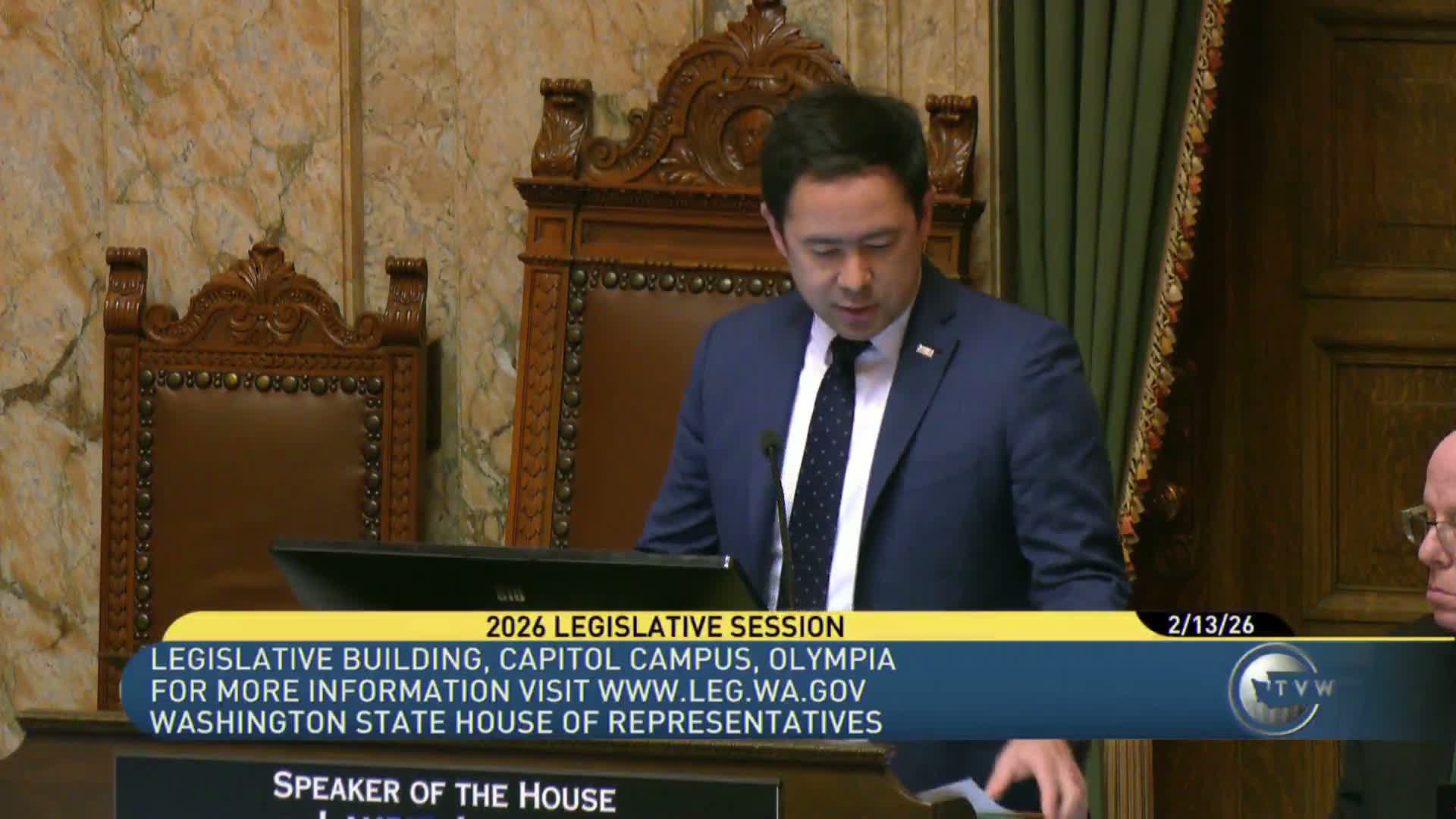
Summary
Lawmakers passed House Bill 1941 to allow licensed cannabis producers to form agricultural cooperatives and adopt a 30% cap on any single entity's control; debate centered on market concentration risks and parity with other agricultural sectors.
The Washington House passed House Bill 1941, which would allow licensed cannabis producers to form agricultural cooperatives similar to those available to other agricultural producers. Lawmakers debated and adopted targeted amendments, including one that limits any single entity's control of a cooperative to 30 percent to reduce monopoly risk.
Representative Morgan urged members to support the bill as a corrective measure that would give licensed cannabis producers the same cooperative tools available to other farm sectors, saying the change would "provide a lifeline" to small producers and social-equity license holders who currently struggle in a consolidated market. Representative Schmitt moved an amendment to prohibit any single entity from holding more than 30 percent control of production within a cooperative, framing it as an anti-monopoly safeguard.
Opponents warned of overproduction and unintended market impacts, citing Liquor and Cannabis Board reports of excess supply. Representative Manjares rose in opposition, saying the market is already overproducing and the amendment could enable monopolistic pricing despite the cap.
After amendment debates the roll call recorded 66 yays, 27 nays, and 5 excused and the bill was declared passed. Supporters said the bill restores parity with other agricultural sectors and provides new market tools for small cannabis producers; opponents urged caution about production levels and regulatory oversight.
House passage sends the bill on to the next legislative steps, where implementation details and interactions with state licensing and regulatory authorities will be clarified.