House approves trigger law to allow state-level collective bargaining if NLRB is defanged
Loading...
Summary
The House passed Substitute House Bill 2471 to create a state process for private-sector collective bargaining should the National Labor Relations Board become nonfunctional. Supporters cited threats to federal labor protections; opponents argued the law is premature.
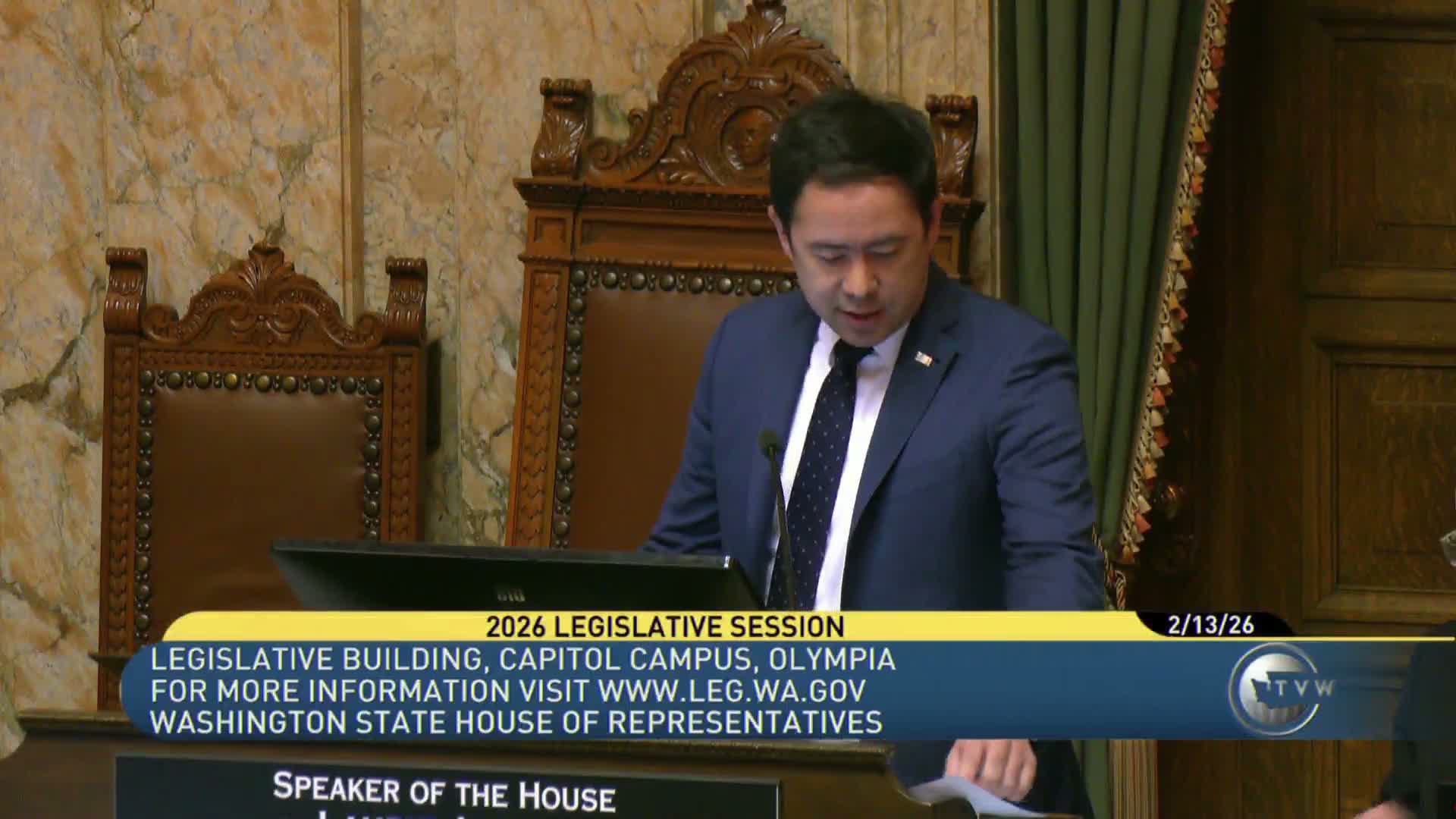
The Washington state House passed Substitute House Bill 2471 after floor debate that framed the bill as a contingency measure to preserve collective bargaining if the National Labor Relations Board becomes unable to enforce workers' rights. Sponsor remarks emphasized protections for unions and workers; opponents cautioned that the federal board still exists and that preemptive state action may be premature.
Representative Scott told colleagues the bill "is trigger legislation that establishes collective bargaining protections for private sector employees in the event that the National Labor Relations Board is defanged beyond its ability to function," citing recent federal developments that he said threatened workers' rights. Representative Schmidt said he was mostly opposed, calling the bill "premature" and questioning whether the federal agency would in fact dissolve.
House members debated multiple amendments aimed at clarifying scope and preserving existing state regulatory roles. After amendment votes and floor remarks, the roll-call count was 58 yays, 35 nays and 5 excused, and the engrossed substitute was declared passed. The bill now proceeds through the legislative process.
Supporters framed the measure as proactive protection of labor rights; critics argued it substitutes state policy for federal processes still in place and raised concerns about implementation and unintended consequences for employers and employees.
The House's passage signals a forward-leaning approach to labor protections, but questions remain about administrative mechanics should the trigger be activated.