
Survivors and advocates urge Kansas to bar NDAs in child‑abuse and trafficking settlements
Get AI-powered insights, summaries, and transcripts
Subscribe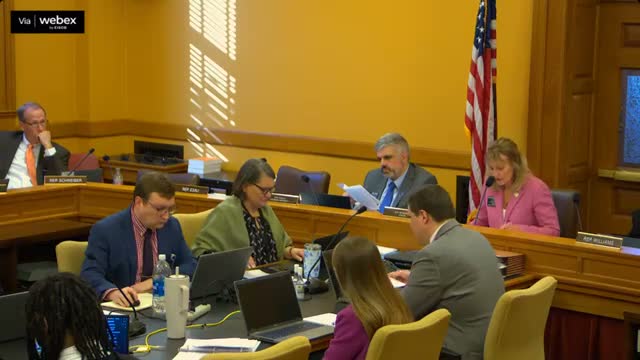
Summary
Dozens of survivors, advocates and faith leaders told the House Judiciary Committee that nondisclosure agreements silence victims and protect institutions; HB 26-88 would make NDAs in childhood sexual‑abuse or trafficking cases unenforceable in Kansas courts, with limited judicial exception.
A steady stream of survivors and child-welfare advocates told the House Judiciary Committee on Feb. 12 that nondisclosure agreements (NDAs) used in civil settlements for childhood sexual abuse and trafficking silence victims and perpetuate institutional harm.
Jason Thompson, the reviser, told the committee HB 26-88 would make NDAs in actions related to childhood sexual abuse or human trafficking void and unenforceable in disputes about those allegations, and that the bill would apply retroactively to agreements made before, on or after the effective date (July 1) unless a party obtains a declaratory judgment from a court to preserve a particular agreement.
Multiple survivors and family members delivered firsthand accounts. Elizabeth Phillips, who said her late brother Trey was abused at Kanakuk Ministries, testified she learned details after Trey’s death and described NDAs as “weaponiz[ed]” to silence victims; she urged the committee to “bring darkness to light.”
Tyson Stewart and Tracy Barclay described cases in which victims were offered NDAs and said the agreements can bar victims from sharing their experiences and hinder accountability. Tracy Barclay said her daughter was offered millions of dollars as part of a settlement but refused an NDA so she could speak publicly; Barclay told the committee her daughter now lives with severe PTSD and chose “truth over money.”
Katharine Raub (Enough Abuse), Dr. Karen Irene Countryman-Roseworm (victim-services expert) and faith leaders also testified in favor, arguing that NDAs revictimize survivors, shield predators and impede institutional transparency.
Committee members probed practical questions: whether eliminating NDAs would chill settlements, how retroactivity would affect existing agreements, and whether other states’ experience showed plaintiffs still receive comparable compensation without enforceable NDAs. Phillips and other witnesses pointed to studies and experience from states such as Texas, Tennessee and California, saying those reforms did not depress settlement values.
Chair Humphries closed the hearing and said the committee expected to work the bill on Monday. No committee vote was taken Feb. 12.