
Panel approves tax credit for higher-ethanol retail sales, debates duration and carryforward limits
Get AI-powered insights, summaries, and transcripts
Subscribe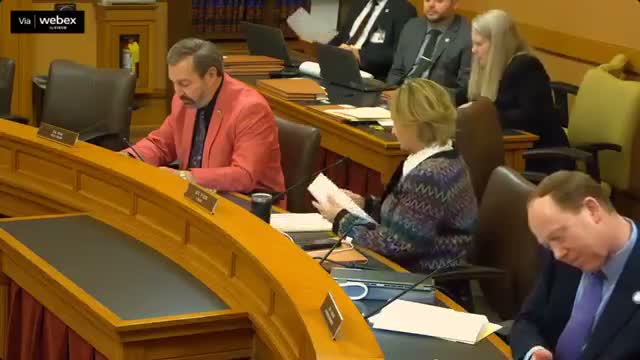
Summary
SB 498 would add a 5¢ per gallon income tax credit for retail sales of higher ethanol blends for taxable years 2026–2031 and discontinue a prior alternative fuel credit. The committee debated shortening the program to five years and limiting carryforward credits; the amendment to shorten or limit carryforwards failed and the committee passed SB 498 favorably.
Amelia explained that SB 498 would discontinue an existing income tax credit for qualified alternative fuel motor vehicle property or fueling station expenditures after tax year 2026 and add a new income tax credit of 5¢ per gallon for retail dealers that sell higher-ethanol blends for taxable years 2026 through 2031. Unused credits could be carried forward for up to five taxable years, the total annual cap for credits would be $2,500,000, and credits would be nonrefundable and nontransferable.
Senator Peck proposed reducing the program from the current draft (through 2031) to a five-year program ending in 2030 and limiting carryforward usage such that carryforwards would expire in 2032; Amelia and staff discussed how carryforward timing would interact with credit award years and administrative interpretation. Senator Schallenberger and others raised standard concerns about carryforwards, administrative complexity and fiscal exposure. The committee voted on an amendment to limit the program/carryforwards; the motion failed by voice vote.
Senator Schallenberger moved that the committee pass SB 498 favorably; Senator Corson seconded. The committee approved the bill by voice vote and the bill was reported favorably to the full Senate.
The bill includes detailed carryforward and cap language and specifies that credits are not refundable or transferable; members asked staff to clarify the number of taxable years affected and potential administrative treatment by the Department of Revenue if the bill is enacted.