Get AI Briefings, Transcripts & Alerts on Local & National Government Meetings — Forever.
Committee approves optional developer-backed TIF structure amid lien and liability questions
Loading...
Summary
Senate Bill 18 58, allowing developers to borrow against projected TIF revenues instead of municipalities borrowing, passed the committee 7–4 after an amendment requiring recording of lien priority. Sponsors said the option could enable projects in smaller communities; members pressed for stronger language to protect taxpayers.
Senator Fricks presented Senate Bill 18 58 to give local governments an optional tool: a TIF arrangement that allows developers, with municipal approval, to borrow against projected tax-increment revenues rather than the city or county borrowing directly.
During questioning members pressed on who bears liability if developers default. Senators asked whether developers could bypass the municipality to borrow and whether bankruptcy would leave taxpayers exposed; the author said the current draft places liability on developers and that the bill’s intent is to shield cities and counties from that financial exposure. Senator Hamilton raised concerns about taxpayer protection and asked who would bear the burden in the event of default.
Senator Howard proposed an amendment to change a provision on recording lien priority from "may" to "shall" to ensure notice is filed with the county clerk; that amendment was submitted, read by the clerk and adopted. Members also discussed bond-lender lien positions and agreed to look at strengthening language to ensure municipal protections.
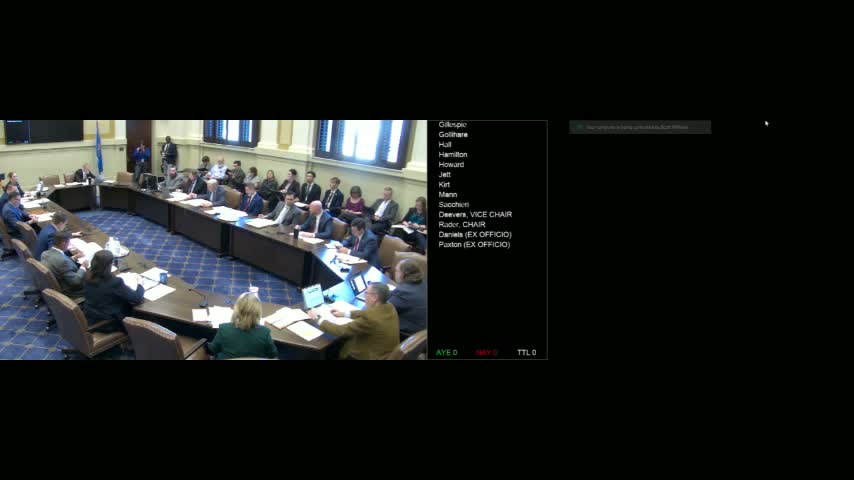
The committee voted to advance the bill as amended; the roll call produced a tally of 7 ayes and 4 nays. Proponents said the option could help smaller or rural communities that otherwise decline developments because of upfront borrowing risk; opponents cautioned about shifting risks and asked for stronger statutory protections before final passage.