Get Full Government Meeting Transcripts, Videos, & Alerts Forever!
Get email alerts on the Immigration Enforcement topic
No spam. Unsubscribe anytime.
Republicans push framework for local cooperation with federal immigration enforcement (House File 16)
Summary
House GOP leaders signaled they will pursue House File 16 to create a framework for local jurisdictions to enter cooperation agreements with federal immigration authorities, citing Operation Metro Surge and sheriff requests for statewide standards; they said they are willing to seek committee hearings and negotiate changes for bipartisan support.
Republican leaders said they plan to pursue legislation to facilitate local cooperation with federal immigration authorities, naming House File 16 as a likely vehicle and citing recent enforcement activity as the impetus.
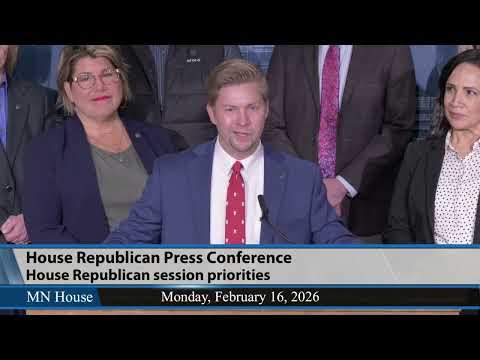
Representative Reimer asked whether the caucus would return to a prior proposal requiring local governments to cooperate with federal immigration enforcement. House Republican leader Harry Niska said amendments had been blocked previously "on a party line vote" and said the caucus will seek a committee hearing on House File 16. Niska described the bill as a way to "make it easier for counties to enter into cooperation agreements with the federal government" and said he is open to changes to reach broad support.
Niska repeatedly referenced Operation Metro Surge, saying what happened is "over" but arguing the state can create legal frameworks to permit cooperation. He said Sheriff Witt wants a statewide standard of cooperation and recommended transfers of criminal suspects through jails rather than public spaces, citing a Hennepin County arrest he described as involving roughly "50 pounds of meth." Niska said the aim is to ensure safe, legally clear processes for transferring detained people to federal enforcement when criminal charges are involved.
Leaders said they planned committee hearings and that the final form of any bill would reflect negotiations and possible amendments; no bill text or committee votes were presented at the press conference.