Get Full Government Meeting Transcripts, Videos, & Alerts Forever!
Get email alerts on the Cdbg Caper topic
No spam. Unsubscribe anytime.
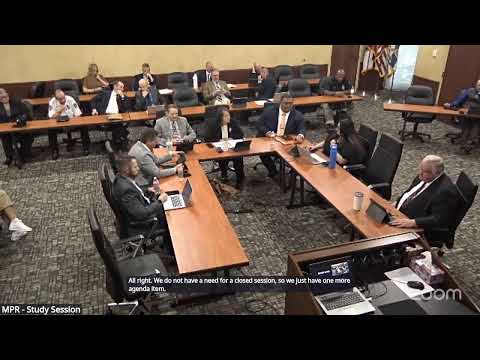
West Valley staff report CDBG activity: home rehab exceeded goals and partners leveraged $7.6M
Summary
Community Grants Administrator Peggy Kalda told the council the city received $1.33 million in CDBG/HOME funds for 2024–25, used about $1.18M so far, and reported home rehabilitation completed 25 projects (goal 17) while public-service programs assisted just over 9,000 residents; partners leveraged about $7.6 million.
Peggy Kalda, the city’s community grants administrator, presented the Consolidated Annual Performance and Evaluation Report (CAPER) for fiscal 2024–25 and summarized how federal CDBG and related funds were used in West Valley.
Kalda said the city received $1,330,000 in CDBG/HOME funds for the year and has used roughly $1.18 million to date, with remaining amounts reserved for home-rehabilitation projects still underway. She said partner organizations that received city funding leveraged about $7.6 million in additional resources.
Key outcomes reported to the council included completion of 25 home rehabilitation projects (the program goal was 17), public services reaching just over 9,000 residents, and homeless services supporting 1,605 individuals from West Valley City in shelter programs. Kalda noted that HUD reporting rules require activities to be tied to a single consolidated plan goal, which explains apparent mismatches on the report’s matrix where some activities appear without allocated CDBG dollars in specific line items.
Kalda told the council the next five-year consolidated plan will continue to emphasize home rehabilitation, neighborhood preservation and revitalization, homelessness prevention and services, and stronger partnerships with nonprofit service providers.
Council members asked for clarification on the CAPER matrix and how HUD requires activities to be reported and for continued outreach on program outcomes. Kalda said staff will make the connections clearer in the next consolidated-plan cycle and continue coordinating with nonprofit partners.
The council had no formal vote on the CAPER report at the study meeting; Kalda said outstanding home-rehab projects will draw the remaining funds.
The council can expect the CAPER and related consolidated-plan materials to be available online and for staff to bring recommended technical clarifications forward with future plan documents.