Get Full Government Meeting Transcripts, Videos, & Alerts Forever!
Get email alerts on the Parks And Recreation topic
No spam. Unsubscribe anytime.
Residents urge county to preserve Fillmore racetrack; commissioners open further review
Summary
A diverse, extended public comment period urged the commission to keep and invest in equine facilities at the Fillmore fairgrounds rather than entirely converting the site for soccer and field sports; officials said they will confer with maintenance and recreation staff and consider additional public meetings.
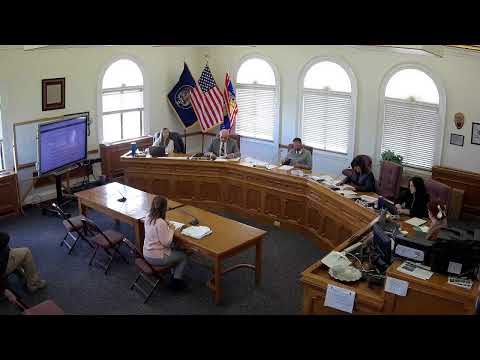
A lengthy public-comment period at the commission meeting focused on the future of the Fillmore racetrack and fairgrounds, with multiple speakers urging the commission to preserve equine facilities used by 4‑H, high school agricultural programs and trainers.
Speakers including Rick Carter, Jerry Brinkeroff, local trainers and several youth and former users described the track’s long history (track origins cited to 1912 and earlier grandstand work) and argued that removing stalls and round pens over the years has reduced use and opportunities. Many asked the county to consider alternatives that would maintain equine infrastructure while allowing new soccer and field development elsewhere on the fairgrounds or nearby parcels.
County maintenance and event staff acknowledged historical problems—past unpaid stall fees and vandalism—and said county crews have worked to support events when promoters followed through. Commissioners said they would not immediately reverse prior decisions but would meet with maintenance and recreation staff, explore a nighttime public meeting to broaden input, and consider options such as private partnerships, stall rebuilding and cost-sharing arrangements. Several speakers offered to help organize promoters or private funds to keep the facility viable.
Why it matters: the debate pits competing recreational priorities—youth sports and tournament-ready soccer/ball fields—against traditional agricultural and equine uses that support local youth programs and regional trainers. The commission noted the need for balanced public benefit, sustainable maintenance funding and clear user responsibilities.
Next steps: County leadership said staff will meet with maintenance and recreation, consult stakeholders and report back; commissioners encouraged organized community proposals and indicated they may host an evening meeting to gather broader public input.