
New Rochelle manager unveils 2026 plan aiming to "land the planes," prioritizes stormwater, parks and downtown projects
Get AI-powered insights, summaries, and transcripts
Subscribe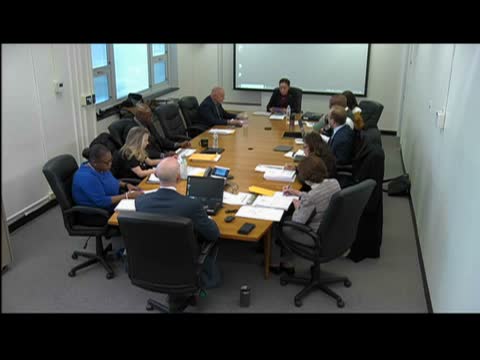
Summary
City Manager presented the 2026 work plan Feb. 20, emphasizing finishing multi-year initiatives, accelerating stormwater mitigation and advancing downtown projects while seeking federal and state funding. Councilmembers pressed for details on stormwater costs, a $16 million grant shortfall and neighborhood priorities.
City Manager presented the City of New Rochelle's 2026 work plan at the Committee of the Whole meeting Feb. 20, saying the theme for the year is to "land the planes" by finishing projects started in 2025 and moving priorities into construction and operation. The presentation laid out public-safety outreach, resilient-infrastructure projects, parks investments, economic-development initiatives and new community grants.
The work plan identifies quarterly neighborhood public-safety meetings to improve emergency-response communication and trust-building; a targeted Link Phase 1 for traffic calming and pedestrian safety along Memorial Highway; and continued stormwater mitigation work informed by prior drainage studies. "Land the planes," the City Manager told council, "because last year was a big year ... and for 2026, we're going to try to focus on landing some of those initiatives." (City Manager)
Why it matters: New Rochelle officials said implementation in 2026 will move several long-running, costly projects from design into bidding and construction, with visible effects for neighborhoods. The presentation included timelines (final design in Q2, construction bids and Q4 mobilization for some Link elements) and funding notes that will shape whether full project scopes can be delivered on schedule.
Key details and budget signals: The manager said the Link project lost a pre-bid federal grant of $16,000,000 and that some elements were scaled back; staff are continuing flood-mitigation design and running hydraulic models in hopes of incorporating mitigation into later phases. The plan also listed park and recreation capital work (Lincoln Park Pool rehab, Maplewood playground replacement, Pine Brook tennis-stair replacement and pickleball expansion) and a target to plant approximately 300 trees in 2026, with 50% of new plantings prioritized for disadvantaged communities.
The economic-development portfolio includes the Hagedorn Building acquisition and a National Endowment for the Arts grant application to fund a cultural assessment and operator/governance plan; staff said an RFEI will be released in Q2 to identify potential operators. A newly adopted "Thrive" program will provide nonprofit grants ranging from about $5,000 to $35,000, with applications already due in January and selections planned in Q1.
Council reaction and questions: Councilmembers praised the organization and asked for more specifics on several points. Questions focused on the solid-waste management plan (manager: grant-agreement stage, next step an RFP), asphalt recycling pilots (EPW is exploring vendors), and neighborhood-specific concerns such as restrooms at Neptune Park. Several members asked for clarity on the Link funding gap; the manager said initial estimates put the shortfall at about $16 million but that final stormwater engineering could raise or lower the total.
What's next: Staff said many projects are scheduled for final design in Q2 and early construction in Q3 and Q4 where feasible; council asked for continued updates and more precise cost estimates for stormwater mitigation and Link phase sequencing. The manager said the goal for 2026 is to complete design, issue bid packages and begin on-site mobilization for multiple projects, and to use the established monthly council update to track milestones publicly.
Ending: Council did not vote on the work plan tonight; the presentation sets a public expectation for early- to mid-2026 design completions and targeted construction starts, while council members signaled they want clearer cost estimates and more detail on neighborhood-specific deliverables.