Get Full Government Meeting Transcripts, Videos, & Alerts Forever!
Panel of planners, municipal leaders and public-safety officials press the committee for changes to housing-fix bill LD2173
Summary
LD2173 proposes technical corrections to last year's housing law. Planners urged extra time and exemptions for flood-prone or resource-sensitive areas; fire chiefs and water utilities cautioned about public-safety, infrastructure and source-water protections. Committee asked for work-session amendments and additional fiscal implementation details.
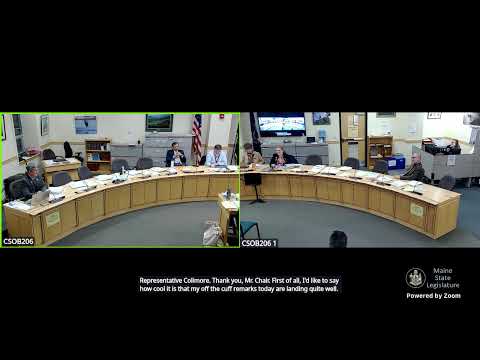
Representative Amanda Collimore presented LD2173, a set of corrections and clarifications to the complex zoning and housing reforms enacted in LD1829. She said the bill is intended to preserve the policy direction of last year while correcting drafting errors and operational problems municipal staff are reporting.
Policy and planning organizations including the Maine Association of Planners and the Greater Portland Council of Governments supported the technical fixes but urged…
Already have an account? Log in
Subscribe to keep reading
Unlock the rest of this article — and every article on Citizen Portal.
- Unlimited articles
- AI-powered breakdowns of topics, speakers, decisions, and budgets
- Instant alerts when your location has a new meeting
- Follow topics and more locations
- 1,000 AI Insights / month, plus AI Chat