
Committee hears debate on tax-sale changes in S.196; legal-aid urges caution pending U.S. Supreme Court case
Get AI-powered insights, summaries, and transcripts
Subscribe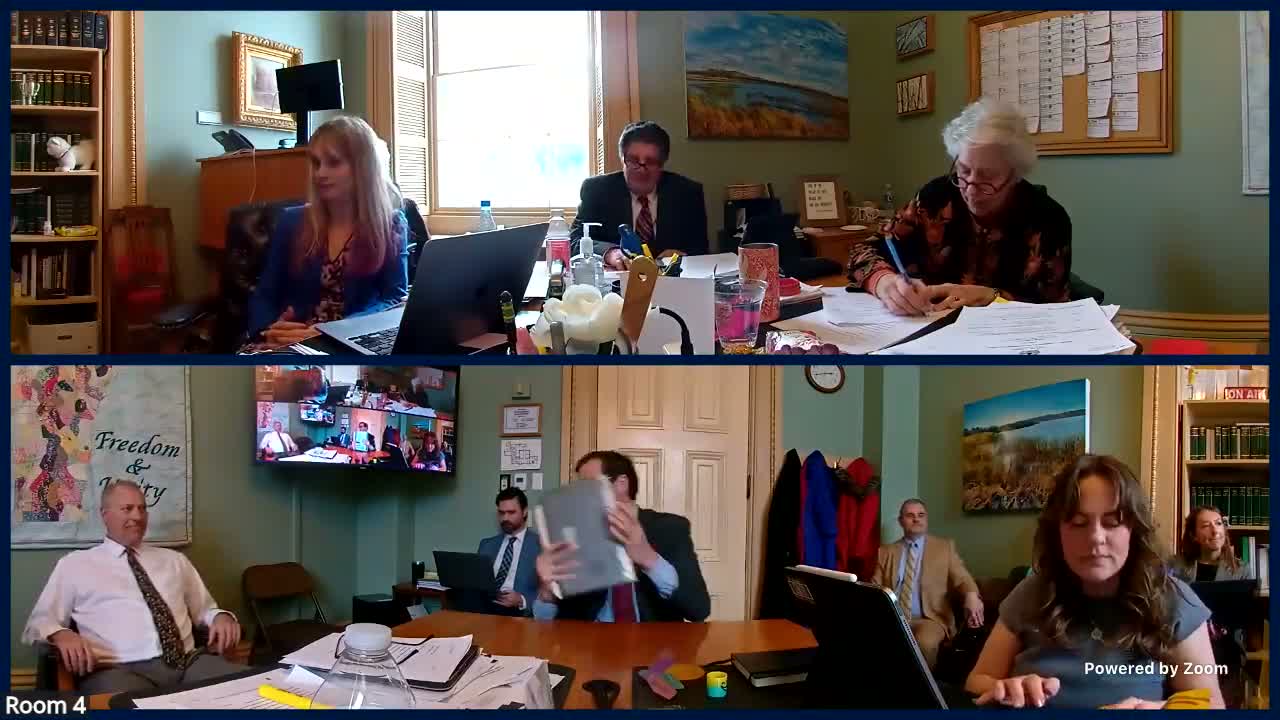
Summary
Witnesses debated S.196, which would alter tax-sale procedures (including a proposed six-month redemption). Banks warned of risks to lending and bidders; Vermont Legal Aid recommended judicial foreclosure and urged the committee to wait for the U.S. Supreme Court decision in Peng v. Isabella County before making major changes.
The Senate Committee on Government Operations took testimony on S.196, a bill proposing changes to municipal tax-sale procedures, including shorter redemption windows and other adjustments to how tax liens and sales operate.
Chris Delia, president of the Vermont Bankers Association, told the committee shortening the post-sale redemption period from one year to six months would face strong opposition and could create practical and market risks. Delia argued that allowing bidders early physical access or permitting municipal-appointed parties to enter properties before title transfers would expose those parties to uninsured liability and could damage secondary-market lending. He cautioned that drastic changes would affect underwriting and loan pricing.
Grace Kasdan of Vermont Legal Aid, who worked on the 106 working group, urged the committee to preserve homeowner protections. Kasdan said many low-income, elderly and disabled homeowners fall behind on taxes because they fail to access the Homestead Property Tax Credit; those homeowners need the existing one-year post-sale redemption to assemble funds or secure a loan to cure delinquencies. Kasdan also flagged an imminent national development: "There is currently pending before the United States Supreme Court an appeal" (Peng v. Isabella County) that could reshape constitutional constraints on tax sales, specifically takings and excessive-fines concerns, and recommended postponing major policy changes until the Court issues a decision.
Working-group testimony emphasized that municipalities already have judicial foreclosure options that provide court oversight and a presale redemption period; several witnesses recommended considering a judicial foreclosure route as a cleaner alternative to the nonjudicial tax-lien sale widely used today.
Why it matters: witnesses and senators framed the debate as balancing municipalities’ need to collect revenue and address vacant properties against homeowner protections and due-process rights. Testimony noted that roughly 80% of tax-sale liens are redeemed within the year, indicating many owners regain their properties during the current redemption period.
Outcome: The committee did not vote on S.196. Members asked for more information about the working-group report, municipal practices, and potential constitutional implications tied to the pending U.S. Supreme Court decision before advancing statutory changes.