
Senate panel hears S.192 to expand municipal power to compel cleanup of vacant, blighted properties
Get AI-powered insights, summaries, and transcripts
Subscribe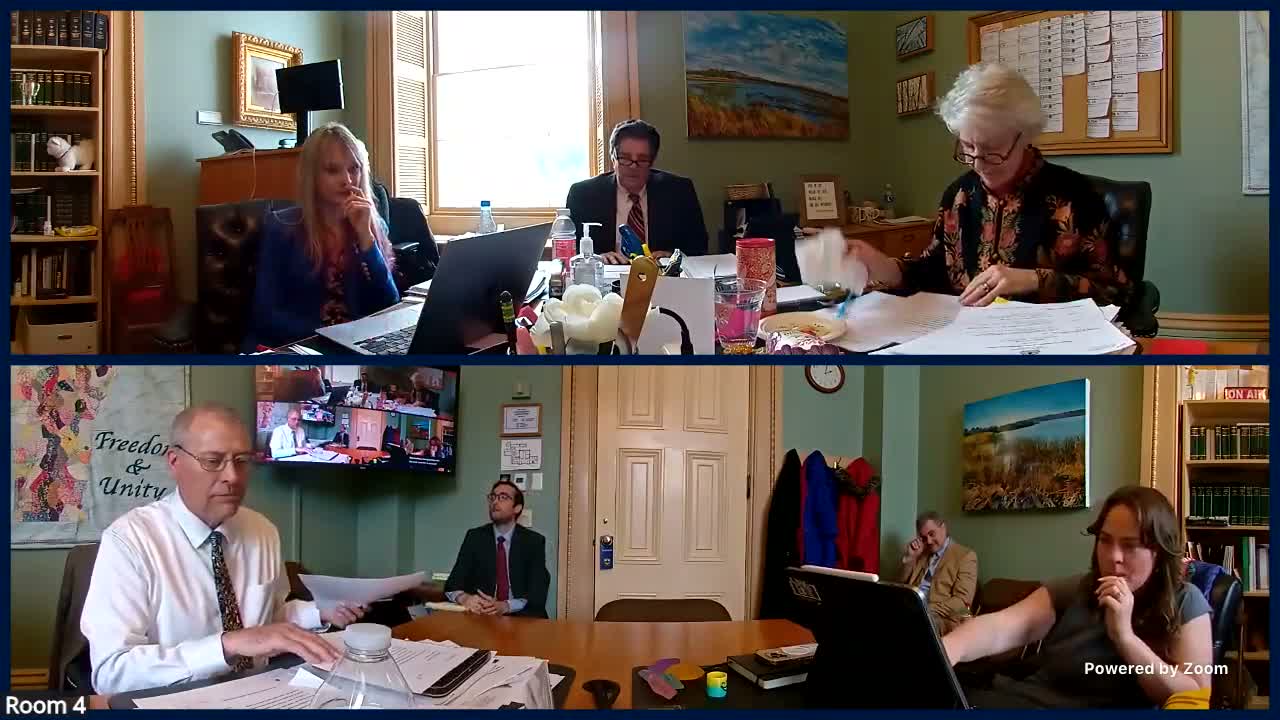
Summary
The Senate Committee on Government Operations heard S.192, modeled on the Springfield Charter, to give towns broader authority to compel cleaning or repair of vacant or blighted premises, including recovery of costs as liens. Members raised takings, definitional, and equity concerns and requested testimony from Springfield and municipal groups.
Senate members examined S.192, a bill to let municipal corporations adopt ordinances compelling the cleaning or repair of premises a legislative body determines to be vacant, blighted or damaging to the general appearance of the municipality.
Legislative counsel Tucker Anderson told the committee the proposal mirrors authority already in some municipal charters but expands the scope by delegating to towns the power to set health-and-safety standards and enforce cleaning and repair obligations. Anderson warned the language raises property-law and constitutional issues, saying the bill “draws on the police powers delegated in Title 24” and that courts’ takings analysis and common-law property doctrines would shape how municipalities could apply the authority.
Why it matters: proponents said towns need tools to address properties that depress neighborhood morale, threaten public safety and reduce property values. Sponsor Senator Clarkson described Springfield’s experience as the model and urged giving towns the option to adopt similar ordinances statewide.
Committee members pushed back on several fronts. Multiple senators asked that the bill define key terms such as “vacant” and “blighted” to avoid overly broad enforcement; Senator Vigovskiy and others said those words have produced litigation and inconsistent application elsewhere. Anderson acknowledged the concern and offered to draft narrower statutory definitions and guardrails, noting that enforcement could trigger liens that operate "in the same manner and to the same extent as taxes" and that municipalities must provide an administrative appeals process and notice.
Equity and procedural safeguards also featured prominently. Several senators warned the authority should not penalize low-income homeowners who lack resources for maintenance; members asked for testimony from homeowners who had properties compelled to be cleaned and for municipal managers about how Springfield implements the authority. The committee discussed enforcement mechanics, including civil penalties (cited in testimony as having a statutory maximum) and whether unpaid cleanup costs could result in tax-sale procedures.
No final action was taken. The chair and several members requested additional testimony from Springfield officials, the Vermont League of Cities and Towns, and municipal managers to better understand how the authority has worked in practice and whether statutory definitions or limits are needed. The committee indicated it would take the bill up again next week for further testimony and drafting work.
The committee adjourned without a vote on S.192; the bill was not amended or advanced during the session.