Get Full Government Meeting Transcripts, Videos, & Alerts Forever!
Get email alerts on the Cryptocurrency Scams topic
No spam. Unsubscribe anytime.
County presenter highlights cryptocurrency ATM risks after local jury-scam loss
Summary
A Fairfax County presenter said cryptocurrency ATMs and jury‑scam calls have produced irretrievable losses locally and cited 2023 crypto complaint figures; officials advised verifying crypto firms with federal registries and avoiding impulse payments at ATM machines.
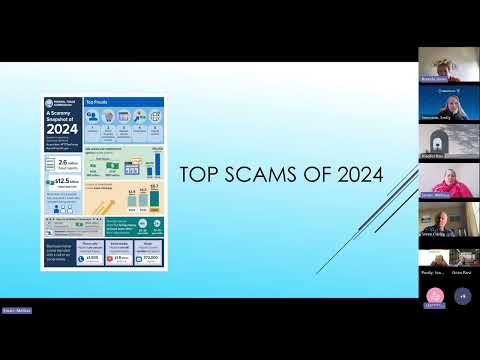
A Fairfax County outreach presenter said cryptocurrency-related scams and cryptocurrency ATMs are a growing local concern, recounting a recent case in which a county employee lost $4,700 after a 'jury scam' payment made at a cryptocurrency ATM. "She was told that if she didn't pay 5,000 by 5PM that day, she was gonna be arrested," the presenter said, describing how funds moved through the machine and could not be traced.
The presenter also cited wider complaint data: "In 2023, there was approximately 9,000 cryptocurrency complaints from people between the ages of 50 and 59; their losses approximately totaled more than 900,000,000," she said. Officials cautioned that cryptocurrency is generally not backed by federal insurance such as FDIC and urged extra caution.
Local guidance included preferring regulated firms and confirming registration: presenters advised residents to ensure cryptocurrency firms are registered with the Commodity Futures Trading Commission and the National Futures Association before transacting. County staff emphasized that transfers made at some machines or as part of scams are difficult for police to reverse.
The county recommended treating urgent payment demands as suspect, avoiding ATM cash-outs or crypto transfers to unknown recipients, and contacting Fairfax County Consumer Affairs or the police financial‑crimes unit if victimized.